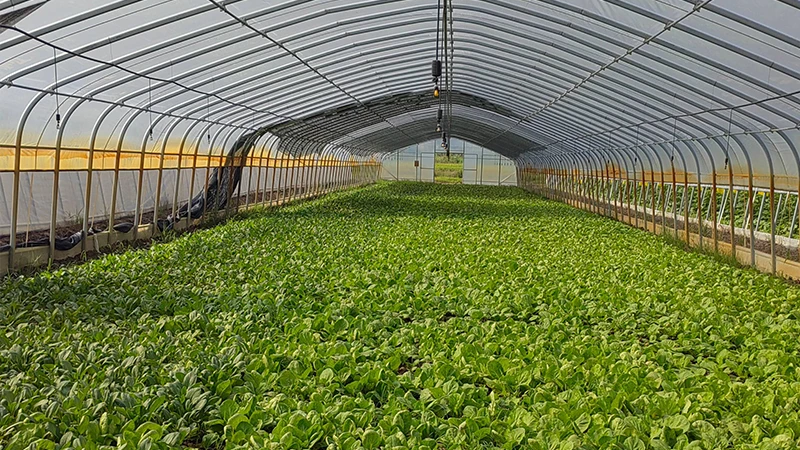
Greenhouse Information: A Practical Guide for Modern Growers
News Details
Greenhouse Information Every Smart Grower Should Know
Protected cultivation provides growers with predictable yield, higher crop quality, and extended production cycles. Building a greenhouse shields crops from wind, frost, and unseasonal weather, creating a microclimate that accelerates plant growth. Controlled environments optimize light transmission, irrigation, and ventilation. By dampening external climate swings, growers can extend harvest windows by several weeks, launching early spring crops and sustaining autumn yields well past outdoor growing limits. Commercial success depends on matching structure scale to operational budgets. Small growers can begin with modular hoop houses, while commercial farms often scale directly into multi-span structures equipped with automated roof vents and environmental controllers.
What Is a Greenhouse and Why Does It Matter?
A greenhouse consists of a structural frame clad in light-transmitting materials like polycarbonate, glass, or poly film. The structure traps solar radiation to maintain internal warmth, allowing leafy greens, vegetables, and ornamentals to thrive during cold weather. Maintaining proper air exchange is critical. Excess humidity causes stagnant microclimates and fungal diseases, making active and passive ventilation essential for disease management and temperature control. Effective temperature regulation relies on balanced ventilation: automated ridge vents release trapped heat at midday, while roll-up side curtains introduce fresh air. Routine maintenance of drive motors, sensors, and cladding keeps microclimate controls performing accurately.
Smart Greenhouse Designs for Better Harvests
Modern greenhouse engineering prioritizes structural height and airflow dynamics. High Gothic arches and elevated gutters create a thermal buffer that allows hot air to rise away from the crop canopy, while wide door spans accommodate tractors and harvesting equipment. Combining automated vents, circulation fans, and external shade cloths stabilizes diurnal temperature swings, minimizing plant stress and maximizing photosynthetic efficiency. Structural choices must align with crop profiles and regional climate loads. Tall vining crops demand increased gutter height, while high-latitude farms require double-wall polycarbonate or insulated North-wall designs to conserve heat. Gable roofs and Gothic arches shed heavy rain and snow loads efficiently while maximizing seasonal light transmission. Inside, clean bench layouts and optimized row spacing ensure high plant density without compromising worker accessibility.
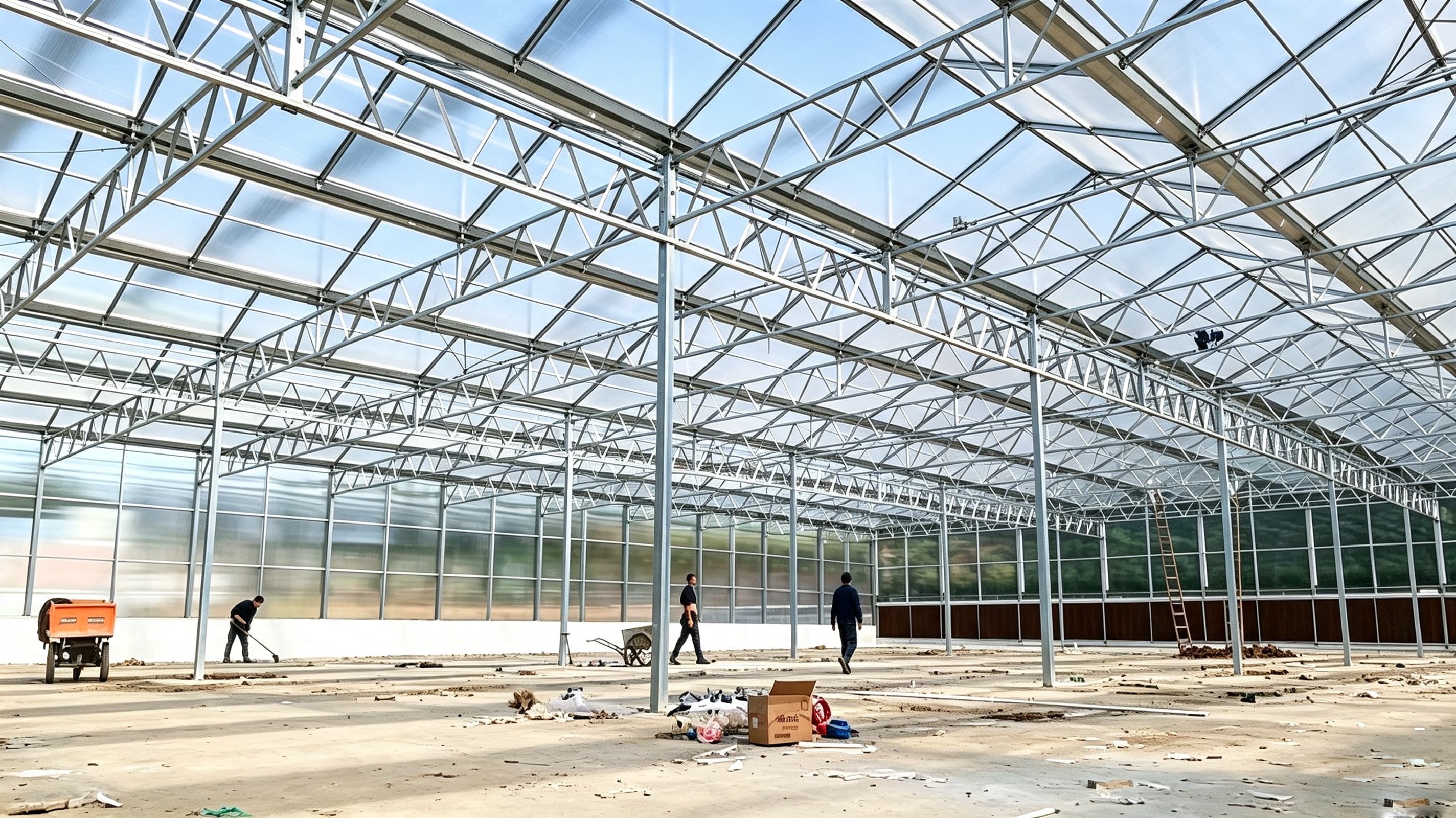
Why Choose a Large Greenhouse for Your Farm?
Large commercial greenhouses deliver economies of scale, allowing automated irrigation, central heating, and mechanized harvesting across long crop runs. Expanding production acreage increases overall output, though thermal management costs scale accordingly. Strategic space planning—including central main aisles, high-density benching, and hanging gutter systems—ensures every square meter yields maximum return on investment. Large structural footprints require engineered foundations. Ground anchors, concrete piers, and heavy-gauge galvanized steel frames prevent structural deformation under high wind shear and snow accumulation. Comprehensive operational budgeting should account for winter heating loads, supplemental lighting, and water treatment infrastructure long before breaking ground.
How to Find a Commercial Greenhouse for Sale
Sourcing a commercial greenhouse requires evaluating structural steel gauges, zinc-galvanizing standards, and cladding warranties. Reputable manufacturers provide stamped engineering calculations and clear load specifications for local building codes. Procurement planning must account for freight, site preparation, and professional erection costs. Working with established manufacturers ensures access to technical support, regional construction crews, and long-term replacement parts. Before finalizing purchase agreements, evaluate physical cladding samples, inspect project case studies, and compare itemized supplier quotes to avoid unexpected project overruns. Partnering with an experienced greenhouse supplier turns basic protective structures into high-yield commercial assets, giving growers the environmental control needed for long-term agricultural success.