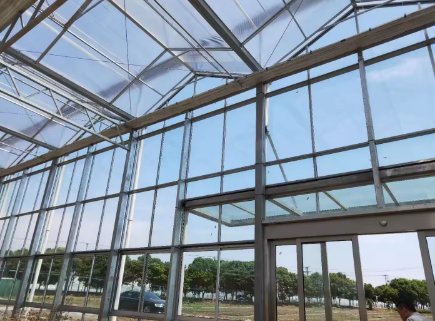
Greenhouse Panels: Smart Roofing and Wall Solutions for Modern Growers
News Details
Why Greenhouse Panels Define Your Growing Climate
Commercial greenhouse panels form the protective building envelope that defines your indoor growing microclimate. Acting as the primary barrier against external weather, wall and roof panels directly control light transmission, thermal retention, and relative humidity across every season. High-performance glazing panels must withstand high wind shear, driving rain, heavy snow, and impact from hail, all while offering UV resistance to prevent yellowing or cracking over time. Low-grade paneling creates cold bridges and uneven light distribution that can stunt crop development near perimeter walls. Quality paneling stabilizes internal root and canopy temperatures, reducing plant stress and accelerating growth rates. Choosing the right panel profile directly influences annual crop yield, overall product quality, and long-term facility operating costs. Poorly insulated panels lead to significant thermal loss during winter operations. Upgrading to high-R-value rigid sheets reduces HVAC heating demand, allowing commercial growers to recoup initial panel investments through energy savings within a few growing seasons. Light quality dictates photosynthetic performance. Clear, high-clarity panels maximize direct PAR light for high-light crops like tomatoes and cucumbers, whereas diffused panels scatter sunlight deeply into dense plant canopies to prevent leaf scorch and eliminate harsh shadows.
Compare Green House Roofing Materials
Commercial growers choose from several core glazing options based on regional climate, budget, and crop profiles. Standard float glass offers maximum light clarity and a traditional architectural profile, though its heavy weight and fragility require heavier support frames and higher installation labor. Multi-wall polycarbonate panels provide a lightweight, impact-resistant, and highly insulating alternative. The internal flutes trap dead air space, significantly boosting thermal efficiency for cold-climate applications and high-wind agricultural sites. Polyethylene film covers represent the lowest upfront capital expense and are fast to install, but they suffer from shorter lifespans and lower tear resistance. Most commercial operators prefer rigid polycarbonate or acrylic sheets for multi-year structural reliability. Structural roof pitch and purlin spacing must align with local live loads. Steeper roof pitches shed snow, ice, and heavy rainfall quickly, while flatter roof profiles work well in temperate zones with minimal winter weather. Watertight perimeter seals along joiner channels and glazing bars are essential. Inferior thermal breaks allow moisture infiltration, draft leaks, and structural heat loss that compromise interior climate stability. Aluminum glazing bars and heavy-duty EPDM gaskets pair seamlessly with rigid polycarbonate sheets, creating corrosion-free structural roof systems built to last decades.
Build a Reliable Greenhouse Roof System
The greenhouse roof endures the harshest structural loads, bearing continuous solar radiation, severe wind uplift, and heavy rain or snow accumulation. Structural failure usually begins at compromised panel seams or loose attachment hardware during severe storms. A well-engineered roof locking system holds panels firmly against structural aluminum rafters. Inspecting fasteners, locking caps, and perimeter seals before peak weather seasons prevents panel chatter and wind blow-outs. Commercial greenhouse roof systems integrate structural mounting aluminum rails, thermal break caps, and integrated perimeter gutters. Proper gutter sizing manages heavy rain runoff efficiently, keeping water away from foundation walls. Integrating automated roof ridge vents into the structural design enables efficient buoyancy ventilation, allowing hot air to escape through the ridge while drawing cooler air through side intake louvers. Insulation performance scales directly with multi-wall sheet thickness. Twin-wall and triple-wall polycarbonate configurations trap static air layers to slow conductive heat loss, lowering nighttime furnace fuel consumption. Conducting routine structural inspections helps identify chipped edges, loose side-clips, or clouding sheets early, allowing maintenance teams to replace damaged sections before minor flaws compromise crop health.
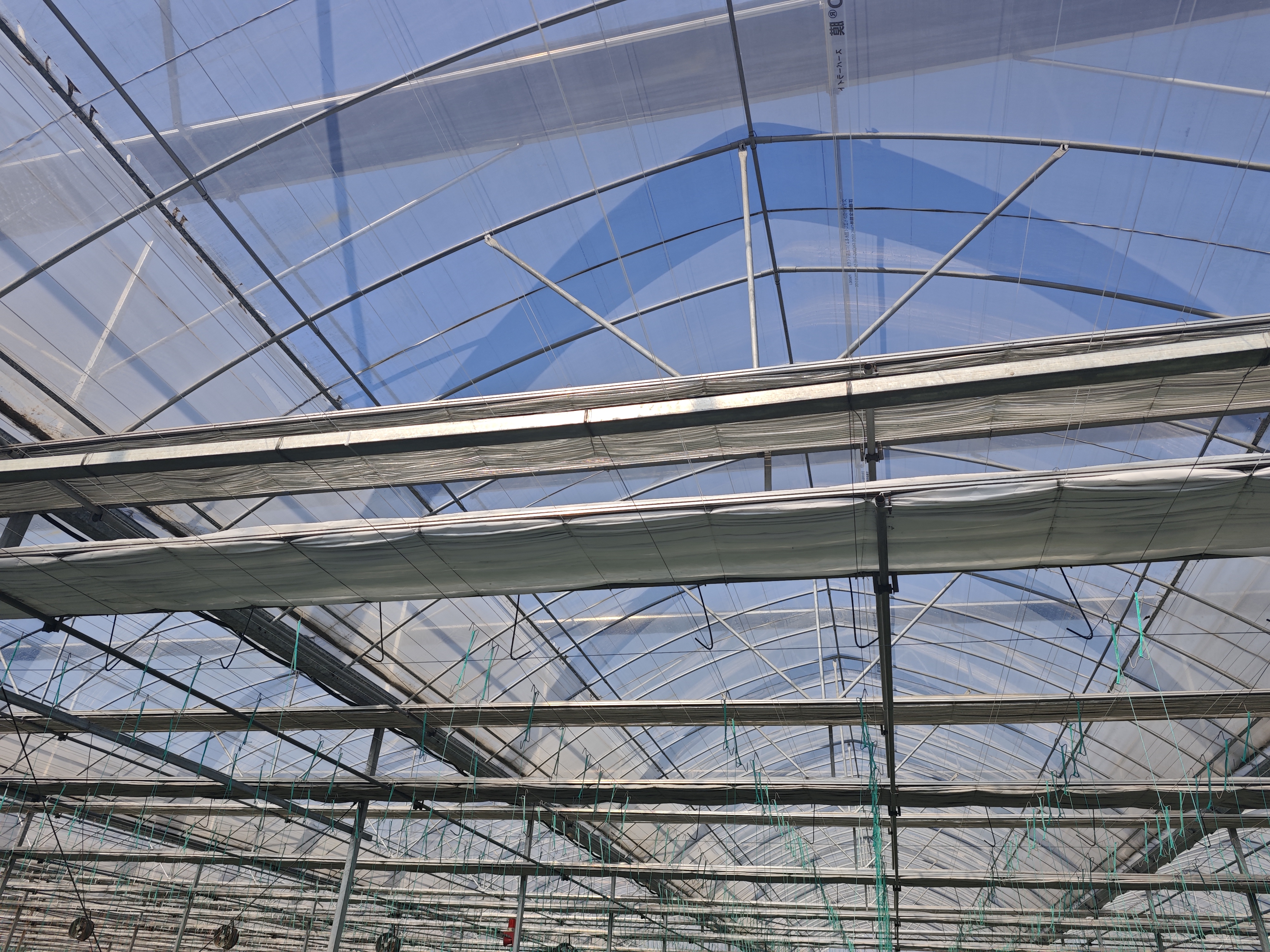
Choose Durable Greenhouse Panels for Sale
Sourcing greenhouse panels requires evaluating sheet thickness, light transmission percentages, UV co-extrusion layers, and manufacturer warranty terms. Bulk commercial orders generally unlock tiered volume pricing from primary distributors. Extremely low price tags often indicate un-stabilized plastic resins that degrade quickly under intense sunlight. Buyers should always request technical spec sheets and certified load-test data before placing large orders. Confirming sheet dimensions against structural purlin centers avoids costly field-cutting labor and waste. Choosing pre-cut, factory-taped panels prevents dust, moisture, and algae from entering internal flute channels during shipping and installation. Aligning vendor delivery timelines with site construction schedules avoids project delays. Specifying compatible fasteners, flashing trims, and sealants upfront ensures a smooth, leak-free installation. Maintaining high light transmission requires routine exterior cleaning. Washing away accumulated dust, shade-cloth residue, and organic matter restores panel clarity to maintain maximum PAR light penetration year-round. Establishing a clear capital budget helps strike the right balance between initial procurement costs and long-term panel longevity, ensuring your glazing investment protects both crop yields and profit margins.