Tunnel Greenhouse: Durable Growing Space for Modern Farms
News Details
Tunnel Greenhouse: A Smart Investment for Modern Growers
A tunnel greenhouse offers a simple yet powerful way to boost crop production. By sheltering plants from harsh weather while letting in natural sunlight, it extends your growing season by several weeks on both ends. Early spring and late autumn crops thrive inside this protected space, making it a staple for commercial growers who need steady, year-round yields.
Why Choose a Tunnel Greenhouse?
Traditional open-field farming leaves crops vulnerable to unpredictable risks—frost, heavy rain, high winds, and pests can wipe out an entire harvest overnight. A tunnel greenhouse solves this by creating a stable microclimate. The structure traps ambient moisture to noticeably cut down on water use, saving on irrigation costs every season. You also gain much better control over your growing environment: roll up the sides for airflow on hot days, or seal them tight when temperatures dip. That kind of flexibility takes the guesswork out of farming.
Key Features of a High Tunnel Greenhouse
Most high tunnel kits rely on curved steel frames draped in a durable, translucent plastic cover. The tall interior gives plants plenty of vertical headroom, allowing crops like tomatoes, peppers, and cucumbers to climb without hitting the ceiling and maximizing every square meter of land. Roll-up sidewalls come standard on most models, offering easy natural ventilation to prevent heat stress during peak summer months. When shopping for a kit, match the frame strength to your local wind and snow loads. Assembly is straightforward—two or three workers can usually set up the ground posts, anchors, and frame in a single day. From there, simple routine checks on the plastic film will keep the structure performing for years.
How a Greenhouse Tunnel Protects Your Crops
Think of a greenhouse tunnel as a physical shield. It stops torrential rain from eroding topsoil, prevents gusty winds from snapping stems, and virtually eliminates hail damage. Beyond weather protection, the enclosed space keeps out birds and major insect pests, reducing your reliance on chemical sprays. The warmer soil temperatures also push faster root development, helping crops mature earlier so you can hit the market ahead of the competition. These structures adapt easily to almost any crop, from leafy greens and herbs to berries. Strawberries, for instance, ripen significantly faster under plastic cover. You can also use the space to start seedlings well before outdoor soil warms up, making it a versatile asset for any farm layout.
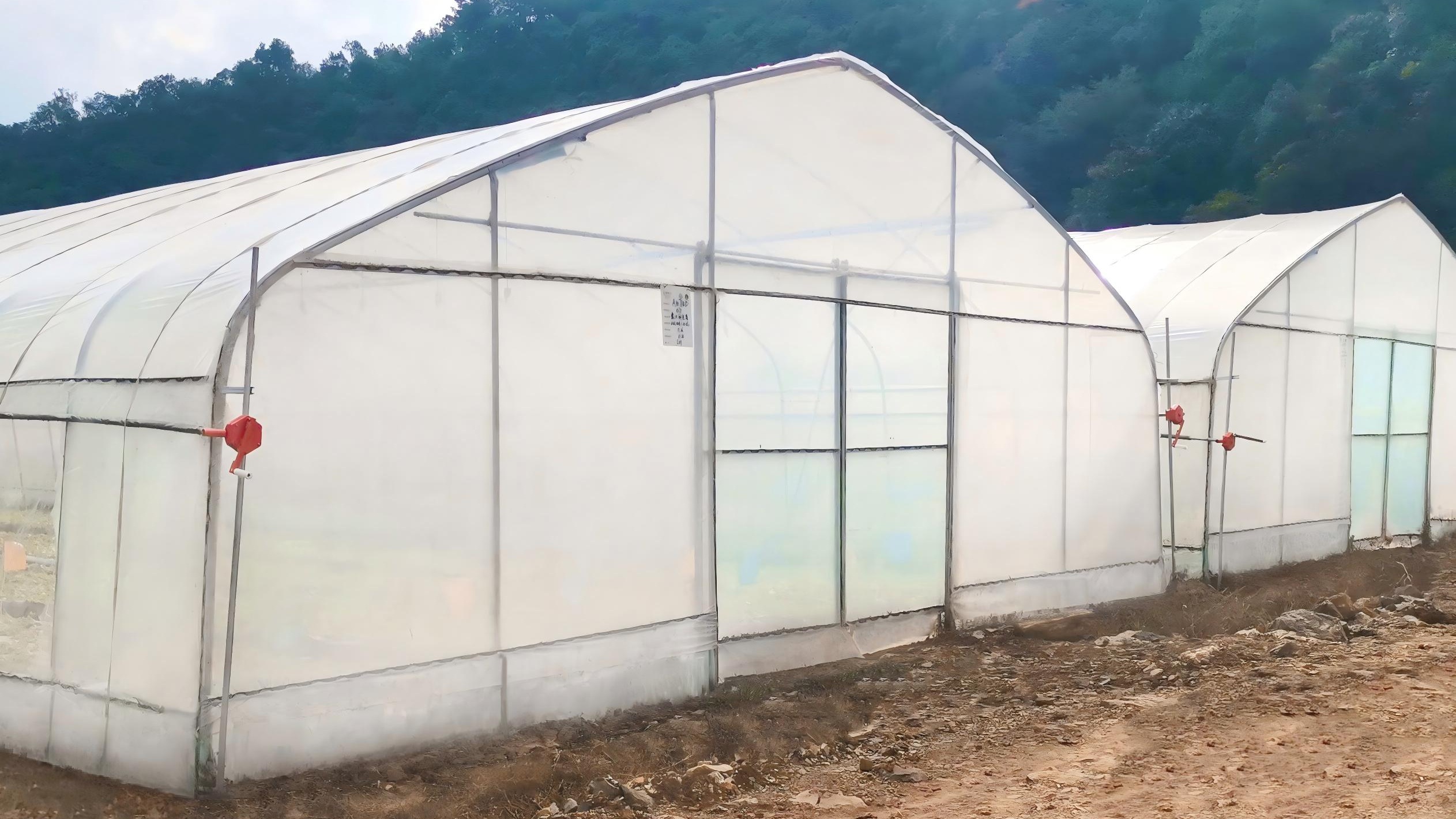
Choosing the Right Tunnel Greenhouse for Your Farm
Tunnel sizes span everything from small home-garden hoops to expansive commercial models. If you are working with a tight budget or testing new crops, a low tunnel greenhouse offers a low-risk entry point. Start by measuring your available space, reviewing your budget, and listing the specific crops you plan to grow. Compare high-tunnel designs from reputable manufacturers, paying close attention to frame steel gauge and plastic quality. While low tunnels carry a smaller price tag upfront, investing in heavy-duty galvanized steel pays off over time by resisting rust and structural damage for decades. Be sure to compare supplier warranties before making your final call.


