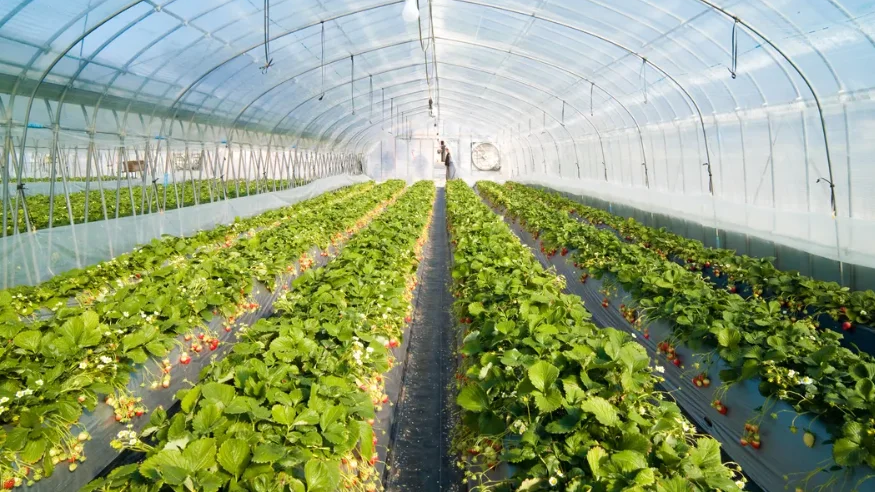
Reliable Greenhouse Irrigation System for Healthy Commercial Crops
News Details
Every commercial grower needs a reliable watering plan. A solid greenhouse irrigation system delivers water right where plants need it most, keeping crops healthy and strong—even during the chaotic peak of harvest season. Getting the setup right is easily one of the smartest investments you can make. Yet, many farms still rely on guesswork. Watering on a fixed schedule without checking actual moisture levels leads to wasted water and uneven growth. A precision system changes the game completely.
Why Every Greenhouse Needs Proper Irrigation
Traditional hand watering wastes time, labor, and water, often leaving some rows soaked while others stay bone-dry. Standard drip systems eliminate this inconsistency automatically. Root health is another major factor. Over-saturated soil starves roots of oxygen, proving that precise delivery matters far more than sheer volume. A good system maintains the crucial balance between air and moisture in the root zone. Slow, targeted drip irrigation keeps roots hydrated without flooding them, supporting steady productivity from week one. On the flip side, sporadic watering leads to issues like tip burn and split fruit. Consistent moisture is what protects both your yield and crop quality.
Save Water with Modern Systems
Water is one of the highest recurring costs for any nursery. Smart irrigation controllers track soil moisture and climate conditions, delivering only what each bench actually needs—significantly cutting down total water use. A well-designed setup also minimizes runoff, keeping valuable nutrients in the root zone where they belong. You spend less on fertilizer, protect your input costs, and stop washing money down the drain. Keeping foliage dry also keeps fungal diseases at bay, making the entire greenhouse environment easier to manage. Fewer puddles mean fewer pests around the benches, resulting in a cleaner crop from start to finish.
Cut Labor Costs with Automation
Labor is getting scarcer and more expensive. Automated irrigation takes repetitive daily watering off your plate, running valves on timers and sensors without needing a pair of hands. Instead of dragging hoses, your team starts the day inspecting results, freeing them up for pruning, picking, and packing. Better yet, a single controller can manage multiple bays at once, making it easy to scale as you grow. Modern systems also alert you to clogs or pressure drops before small issues turn into major crop losses. With ROI often achieved within just a few seasons, basic maintenance usually requires nothing more than a quick weekly check. Automation lets your team focus on high-value tasks while the system does the heavy lifting off-hours. For instance, running cycles in the early morning avoids the heat of the day, saving both water and crop stress.
How to Choose the Right Solution
Start by evaluating your crop type, tray layout, and water source, then choose between drip, overhead spray, or flood benches. Drip works best for row crops, while overhead spray suits dense propagation areas—though your structural layout will also influence the final choice. Next, verify your available flow rate and pressure. Lower pressure requires low-flow emitters and shorter runs. Don’t skip filtration upstream; clean water is essential to protect drippers from clogging. Finally, ensure your supplier offers accessible spare parts and local support. A reliable greenhouse system is a long-term investment that combines water efficiency, labor savings, and crop performance, so take the time to plan early and invest in quality up front. Always test your design on a single bench before doing a full rollout. The best systems scale smoothly as your business grows, so choose a equipment partner who understands both the technology and practical farming. Lastly, don't overlook staff training. Make sure your team understands how to read sensors and operate valves. Clear labels and simple operating guides will ensure a smooth transition with zero surprises.