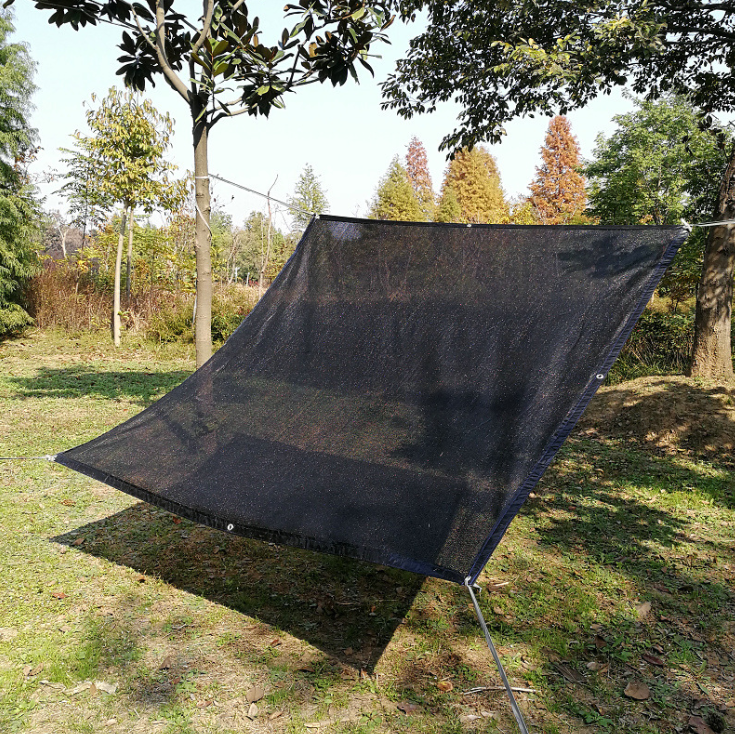
Greenhouse Shade: Intelligent Protection for Healthier Crops and Higher Yields
News Details
Why Greenhouse Shade Matters for Plant Health
Managing intense solar radiation and interior heat build-up is critical for maintaining optimal photosynthesis and preventing crop stress in commercial agriculture. Installing a dedicated greenhouse shade system diffuses harsh sunlight, lowers peak ambient temperatures, and shields delicate foliage and root systems from scorching. Uncontrolled heat stress slows plant development, accelerates moisture loss, and increases vulnerability to disease. Utilizing high-performance greenhouse shading creates a balanced microclimate that reduces transplant shock in young seedlings, protects mature crops during peak afternoon heat, and maintains uniform growth and yield quality across every row.
Key Benefits of Greenhouse Shading for Farms
Integrating a greenhouse sun shade network delivers substantial agronomic and financial advantages for commercial agricultural operations:
-
Energy & Water Conservation: Lowering interior ambient temperatures reduces the load on mechanical exhaust fans and cooling pads while significantly cutting crop evapotranspiration rates.
-
Crop Quality & Sunburn Protection: Diffused light prevents fruit scorching on high-value crops like tomatoes, peppers, and cut flowers, ensuring produce meets premium market grading standards.
-
Enhanced Air Circulation: Mitigating extreme surface heat allows internal air movement to circulate freely, dropping relative humidity spikes and reducing fungal disease pressure.
-
Extended Structural Lifespan: Shielding interior polyethylene films, polycarbonate panels, and climate equipment from intense UV exposure reduces thermal aging and extends replacement cycles.
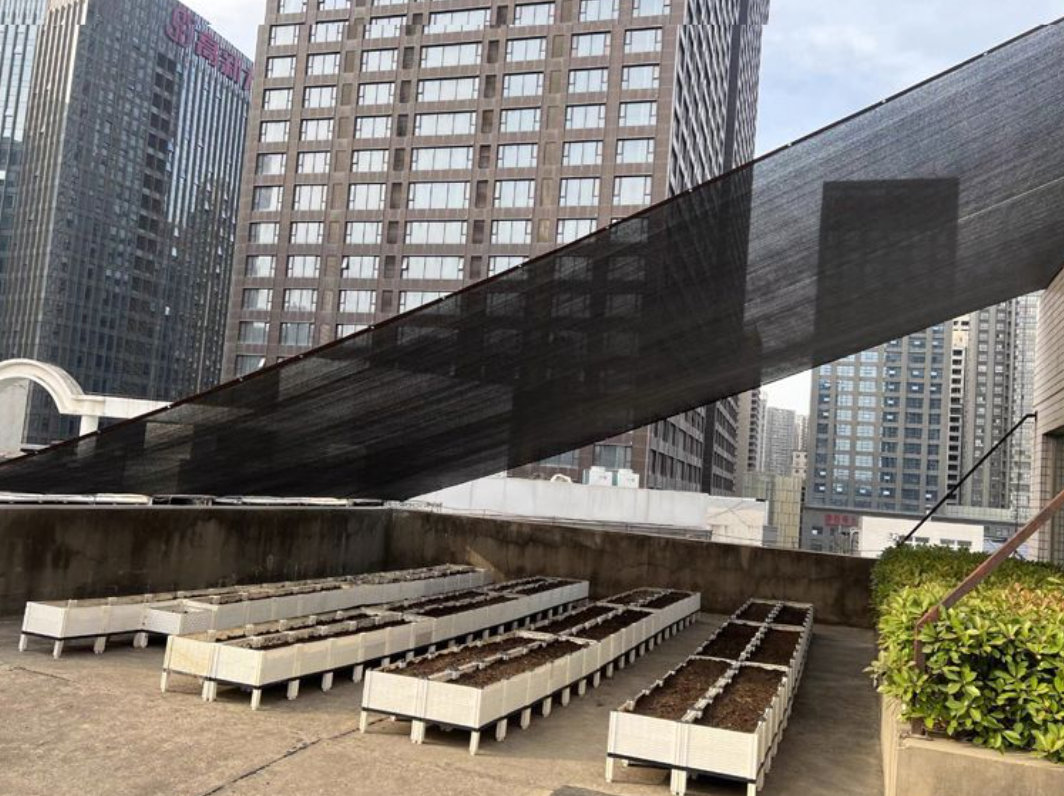
Choosing the Right Greenhouse Sun Shade System
Selecting the ideal shading configuration depends on specific crop light requirements, regional solar intensity, and structural frame design. Light-demanding crops benefit from low-density woven nets that provide mild thermal relief, whereas shade-loving varieties require higher-density knitted screens or reflective aluminum shade fabrics. Rollable and retractable curtain systems offer maximum operational flexibility, allowing growers to deploy shade during peak sunlight and retract panels on overcast days to maximize photosynthetically active radiation (PAR). Partnering with a specialized vegetable greenhouse shading net supplier ensures proper material density selection, accurate frame measurements, and seamless installation across all growing bays.
Finding a Trusted Greenhouse Shade Supplier
Sourcing long-lasting greenhouse shading materials requires evaluating fabric UV stabilization, tensile strength, and real-world farm performance certifications. Reputable commercial suppliers provide physical samples, published shading percentages, and detailed installation guidelines tailored to specific greenhouse profiles. Working with experienced international manufacturers guarantees consistent weave quality, reinforced selvage edges, and reliable delivery timelines for large-scale agricultural projects. Investing in a proven greenhouse sun shade system backed by solid warranty coverage protects your crops, optimizes climate control efficiency, and delivers higher operational returns season after season.