Custom Greenhouse Engineering & Buyer Guide
News Details
Custom Commercial Greenhouse Engineering: A Practical Procurement Guide
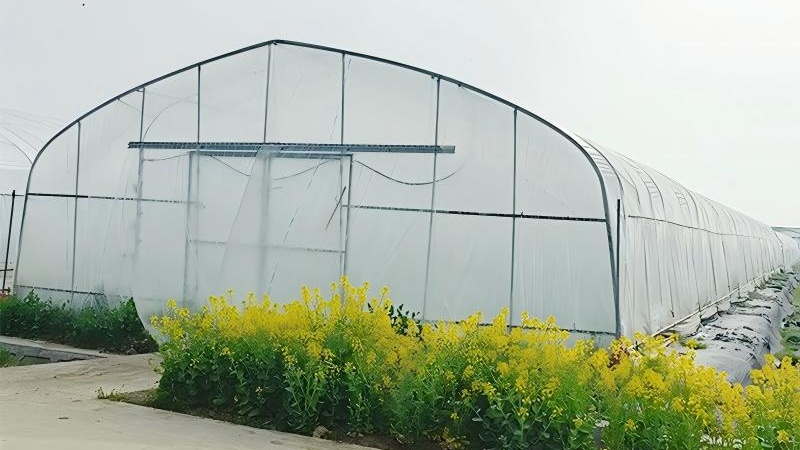
Standard greenhouses are often available in fixed sizes and configurations, but these options may not suit every farm. A custom greenhouse allows growers to plan a structure around their available land, crop requirements, and production goals. Climate is another important factor. Farms in coastal areas may need stronger wind resistance, while regions with heavy snowfall require suitable structural support. Designing around local weather conditions helps ensure the greenhouse is better suited to its operating environment. A well-planned greenhouse can also improve daily efficiency. The right layout makes it easier to manage crops, install growing systems, and organize routine work. As the farm expands, a flexible design can accommodate additional growing areas or upgraded equipment. Unlike a standard structure, a custom greenhouse can be planned with future expansion in mind. This flexibility helps growers make better use of their investment as production needs change.
How to Evaluate & Design a Custom Commercial Greenhouse for Your Farm
Standard greenhouse models offer convenience, but their fixed dimensions may limit how growers use available space. Custom greenhouse projects start with the farm's actual requirements, allowing each part of the structure to serve a practical purpose. Growers can specify the width, height, roof design, and interior layout according to their crops and equipment. Proper planning also helps optimize natural light, airflow, and access for workers. These details can make a noticeable difference in daily greenhouse operations. For farms with limited land, a carefully designed structure can make room for additional growing rows or more efficient planting arrangements. The goal is to improve usable growing space without unnecessarily increasing the overall footprint. A custom layout can also reduce routine labor. Well-positioned pathways, entrances, drainage channels, and work areas make planting, harvesting, and equipment movement more convenient. Workbenches and storage areas can be placed where they are most useful, helping growers make better use of every square meter.
Commercial Greenhouse Customization: Structural Design, Material Specs & Sourcing
When comparing custom greenhouses for sale, buyers should look beyond dimensions and advertised prices. Suppliers may offer different frame materials, covering options, ventilation systems, and installation services, all of which affect the final cost and performance. Start by requesting an itemized quotation that identifies the main structural components and included accessories. Frame specifications, steel thickness, protective coatings, and connection details deserve particular attention because they influence durability and structural performance. A reliable manufacturer should be able to explain the greenhouse configuration and recommend suitable components for the intended application. Anchoring systems, cross-bracing, and structural connections are important considerations, especially in areas exposed to strong winds or heavy snow. Delivery and installation arrangements should also be confirmed before placing an order. Buyers need to understand what is included in the supply package, whether installation guidance is available, and what preparation is required at the site. Comparing the total project cost provides a clearer picture than looking at the base quotation alone. Shipping, taxes, foundation work, installation labor, and additional equipment can all affect the final budget. Supplier experience is equally worth evaluating. Reviewing completed projects, checking customer references, and confirming after-sales support can help buyers assess whether a manufacturer is equipped to handle their greenhouse requirements.

Design a Custom Made Greenhouse
A custom made greenhouse should begin with a clear understanding of the crops, growing methods, and expected production capacity. These requirements influence the structure's dimensions, roof height, ventilation design, and internal arrangement. Different crops have different environmental needs. Leafy greens, for example, may benefit from carefully managed airflow and temperature, while taller crops require sufficient vertical clearance. A suitable design considers these requirements before the frame and covering materials are selected. Covering materials also affect light transmission, insulation, durability, and project cost. Greenhouse film, glass, and polycarbonate panels each have their own advantages. The right choice depends on the local climate, crop requirements, maintenance expectations, and available budget. Doors, gutters, roof vents, and side ventilation should be planned as part of the overall structure. In warmer climates, roof vents can help release rising hot air, while fans may provide additional airflow when natural ventilation is insufficient. Automated controls and environmental sensors can further simplify temperature and ventilation management. Structural design requires equal attention. Experienced greenhouse builders can recommend appropriate frame specifications, bracing, and foundation arrangements based on local wind and snow loads. Their input helps align the proposed design with practical site conditions. Before construction begins, check local building regulations, permit requirements, and site preparation needs. Confirming these details early can help prevent delays and unexpected expenses after the greenhouse has been ordered.
Custom Greenhouse Long-Term Value
A custom greenhouse can support more consistent growing conditions throughout the year when its structure and equipment are suited to the local climate. The frame, covering, ventilation, irrigation, and environmental controls should work together to meet the farm's production requirements. Energy efficiency is another important consideration. Suitable insulation, effective ventilation, and well-planned heating systems can help manage operating costs. In regions with harsh winters or intense summer heat, selecting appropriate materials and climate-control equipment is particularly important. Water management also deserves attention. Efficient irrigation, suitable drainage, and appropriate environmental monitoring can help growers manage resources while maintaining suitable growing conditions. Durable materials and a well-designed structure can further reduce maintenance needs over time. The best greenhouse design balances performance with budget. Rather than paying for unnecessary features, growers should prioritize the structural strength, growing space, and equipment required for their operations, while allowing room for future upgrades where practical. For farms planning to expand production, a custom greenhouse offers the opportunity to align the structure with both current needs and longer-term goals. A well-considered design can help avoid costly modifications and make future expansion easier to manage. If you are comparing custom greenhouse solutions, discuss your site conditions, crop requirements, dimensions, and budget with an experienced manufacturer. A detailed quotation based on these specifications provides a more reliable starting point for planning your project.