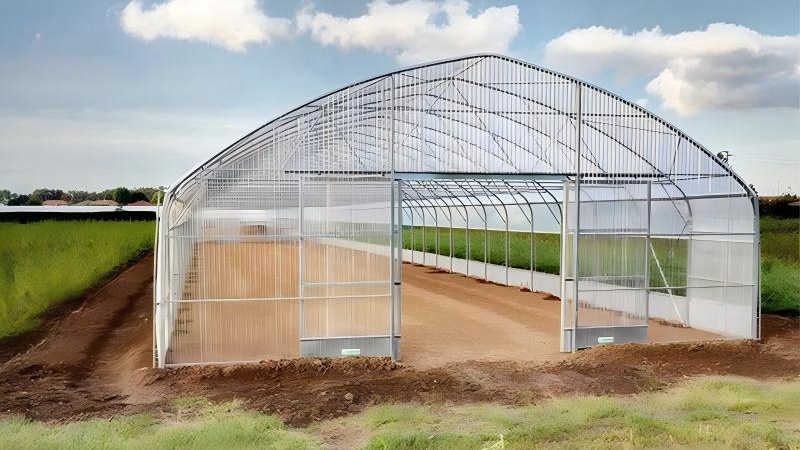
Understanding the Basic Structure of Tunnel Greenhouses
Tunnel greenhouses have become a popular choice for many commercial growers today. They offer a simple yet effective way to protect crops from harsh weather conditions. Moreover, the design allows for excellent air circulation throughout the entire growing area. The frame typically uses galvanized steel pipes that resist rust and corrosion over time. Additionally, the covering material is usually polyethylene film that lets abundant sunlight pass through. This combination creates a stable environment where plants can grow strong and healthy. Farmers can easily install these structures without requiring heavy construction equipment on site. Furthermore, the modular design means that tunnels can be extended as the business grows. Many growers appreciate how cost-effective this solution is compared to traditional glass greenhouses.
Key Advantages of High Tunnel Greenhouse Systems
High tunnel greenhousesystems provide several benefits that improve overall farm productivity significantly. First, they extend the growing season by protecting crops from unexpected early frost. Consequently, farmers can harvest crops earlier in spring and continue later in autumn. Temperature control is another major advantage that these structures provide to growers. Ventilation openings along the sides allow excess heat to escape during hot summer days. Meanwhile, the enclosed design retains warmth when outside temperatures drop at night. Plants therefore experience less environmental stress and produce higher quality yields consistently. In addition, the protected environment reduces the need for chemical pesticide applications. As a result, farmers can market their produce as sustainably grown with minimal chemical inputs.
Choosing the Right Tunnel Greenhouse Kit for Your Farm
Selecting a suitable tunnel greenhouse kit requires careful consideration of several important factors. The available land area determines the appropriate width and length of the structure. Furthermore, local climate conditions influence the choice of covering material and frame strength. Experienced suppliers can provide valuable guidance during this important decision process. Some kits include advanced features such as automated ventilation and irrigation systems. However, simpler designs can still deliver excellent results for many small to medium farms. Budget constraints also play a crucial role in determining the final specification of the tunnel. It is therefore important to balance desired functionality with overall project costs. Reputable manufacturers offer different models to suit various budget levels and operational requirements.
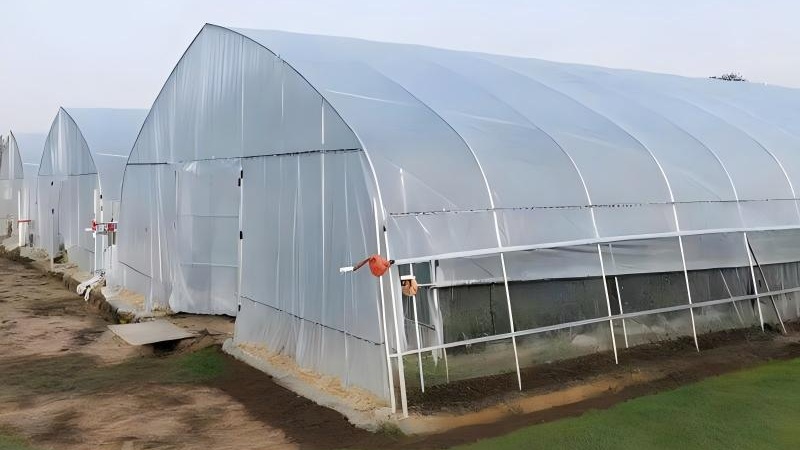
Installation and Maintenance Best Practices
Proper installation ensures that the tunnel greenhouse performs well throughout its entire service life. Site preparation should begin with leveling the ground and removing any sharp objects carefully. Then, the frame components must be assembled according to the manufacturer's detailed instructions. Taking time during the installation phase prevents many common problems from developing later. Additionally, ensuring that the film is properly tensioned helps it withstand strong winds. Many growers choose to hire professional installers to guarantee correct assembly from the start. Regular maintenance keeps the structure in good condition and extends its useful life considerably. Growers should inspect the film covering for tears or wear at least once per month. Furthermore, the frame joints need periodic tightening to maintain structural integrity during storms. Following these simple maintenance steps helps avoid costly repairs in the future. Ultimately, a well-maintained tunnel greenhouse can serve a farming operation for many productive years. Therefore, investing time in proper care delivers excellent returns through consistent crop performance.