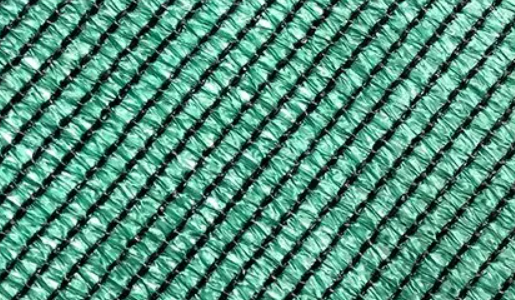
Understanding the Value of Commercial Shade Netting
Commercial agriculture demands reliable solutions for crop protection.Shade net products have become essential tools for modern farmers. They offer precise control over light exposure and temperature. In fact, shade netting provides a cost-effective shield against harsh sunlight. It reduces heat stress on sensitive crops. Also, it helps maintain consistent growing conditions throughout the season. Furthermore, professional shade nets are made from durable UV-stabilized materials. These materials ensure long-term performance in outdoor environments. Therefore, they represent a smart investment for any serious farming operation. Also, modern shade net technology has evolved significantly over recent years. Manufacturers now offer advanced knitted and woven fabric options. But selecting the right type requires understanding each product's unique strengths.
Practical Applications of Shade Nets in Crop Protection
Shade nets serve a wide range of agricultural purposes. They protect nurseries and young seedlings from direct sunlight. They also create ideal microclimates for specialty crops. For example, green shade net farming has gained popularity in tropical regions. Farmers rely on shade netting for plants to reduce water evaporation. This technique also prevents leaf scorch and sunburn damage. Additionally, shade net structures can extend growing seasons effectively. They shield crops from strong winds and heavy rain. As a result, growers achieve higher yields with fewer losses. Standard shade net installations are versatile and easy to deploy. They work well for vegetables, flowers, and medicinal herbs. But their benefits go beyond simple light reduction alone. Similarly, livestock farmers use shade nets for animal shelters. These nets keep cattle and poultry cool during hot summer months. Therefore, the applications span across diverse agricultural sectors.
Choosing Quality Shade Nets for Farming Operations
Selecting the right shade net requires careful evaluation and planning. Not all shade nets offer the same level of lasting performance. Buyers should consider material quality and shade percentage carefully. Moreover, professional shade netting comes in various density configurations. Common options range from thirty percent to ninety percent shading. Therefore, farmers can match the net to their specific crop needs. Also, UV-stabilized shade nets resist serious degradation over time. They maintain structural integrity under constant heavy sun exposure. But cheaper alternatives may fail within a single growing season. For instance, high-density polyethylene nets offer excellent durability. They provide consistent shading without tearing or noticeable fraying. Consequently, they reduce replacement costs for commercial growing operations. Additionally, certified shade nets meet strict international quality standards. They undergo rigorous testing for tensile strength and UV resistance. Therefore, buyers should verify certifications before making purchases.
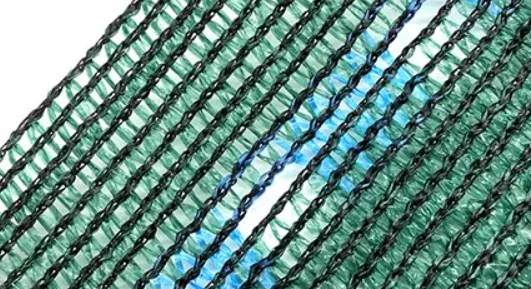
Maximizing ROI with Professional Shade Netting Solutions
Investing in quality shade nets delivers measurable financial returns. Protected crops grow faster and produce notably higher-quality yields. Also, reduced water usage lowers operational expenses across the board. In fact, many greenhouse operators combine shade netting with other systems. They integrate nets with irrigation and ventilation setups. Therefore, they create fully optimized and efficient growing environments. Furthermore, professional shade netting for plants supports sustainable farming practices. It reduces the need for chemical sunscreens and excessive watering. But the key is choosing the right product for each specific application. Also, wholesale buyers benefit from bulk purchasing arrangements. They secure competitive pricing on large shade net orders. Consequently, they improve their overall profit margins significantly. Finally, proper installation and maintenance maximize product lifespan. Regular inspections prevent minor damage from becoming major problems. Therefore, training staff on correct handling pays long-term dividends. In conclusion, commercial shade net solutions provide undeniable lasting value. They protect crops, boost productivity, and lower operational costs. Therefore, every professional grower should consider them essential equipment.