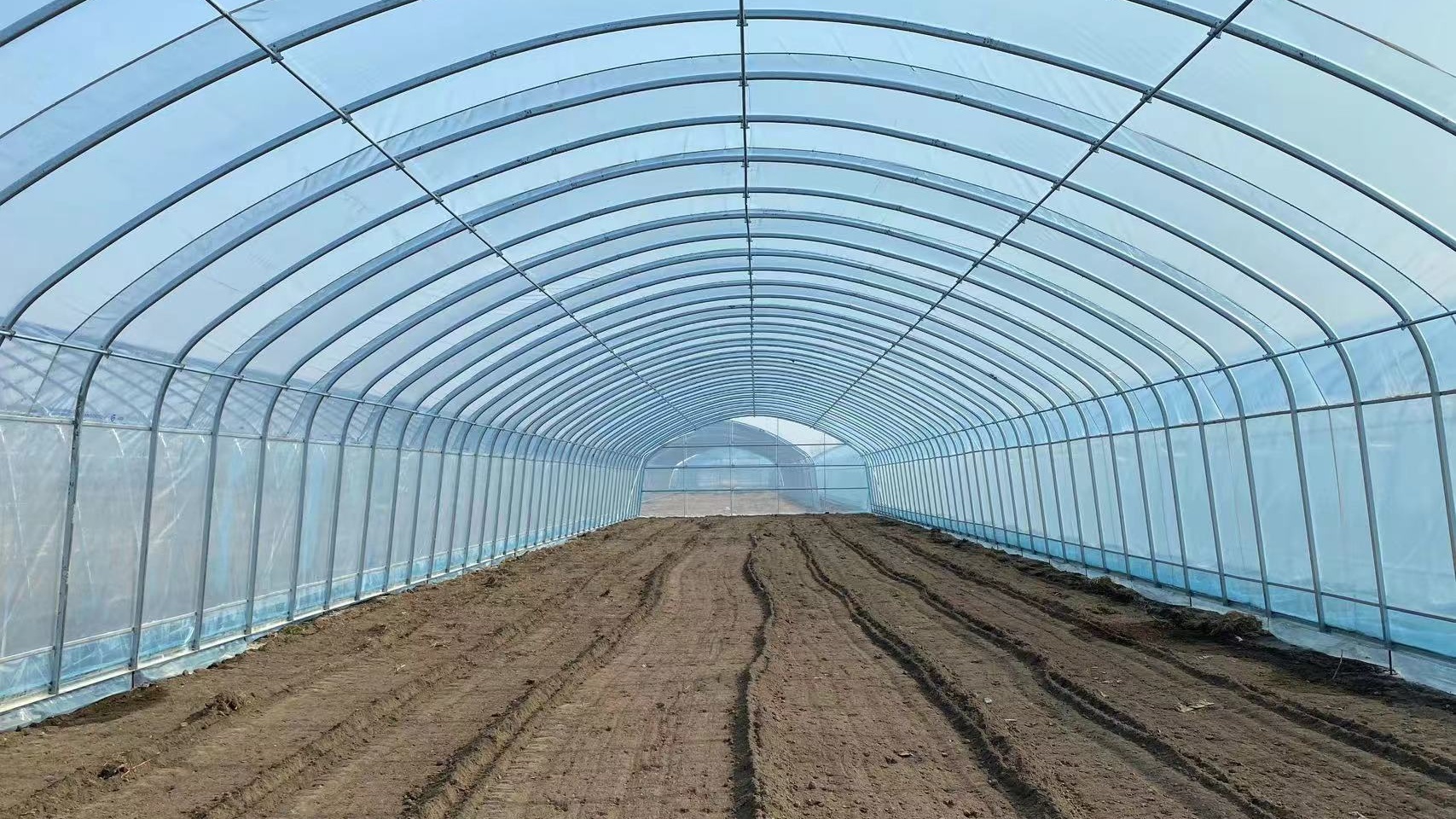
Quality greenhouse plastic forms the backbone of any successful commercial growing operation. Every professional grower understands that the covering material directly impacts crop health and yield. Therefore, selecting the right plastic is a critical business decision. The construction of heavy duty greenhouse plastic sets it apart from ordinary films. Manufacturers reinforce these covers with multiple layers and special additives. As a result, they withstand harsh weather conditions that would destroy standard materials. A premium heavy duty option typically lasts three to five years with proper installation. Consequently, commercial growers reduce replacement costs and minimize operational downtime. Transparency plays an equally important role in plant development. Greenhouse transparent plastic allows optimal light transmission for photosynthesis. Furthermore, modern films diffuse incoming sunlight to distribute it evenly across the canopy. This diffusion prevents hot spots and shadow areas that stunt plant growth. Thus, crops develop uniformly and mature at predictable rates. Clear greenhouse film offers growers the advantage of visibility and light control. Operators can inspect crops from outside without disturbing the internal environment. Additionally, clear plastic for a greenhouse creates a passive solar effect that warms the interior naturally. For instance, many nurseries rely on this property to reduce heating expenses during colder months. The combination of clarity and functionality makes these films a popular choice.
Durability, Specifications, and Installation
Durability extends beyond physical strength into protection against environmental factors. UV resistant plastic sheeting blocks harmful ultraviolet radiation that degrades both the cover and the plants beneath. Standard polyethylene breaks down rapidly when exposed to direct sunlight without this protection. In contrast, UV-stabilized materials maintain their structural integrity season after season and promote stronger stem growth in ornamental crops. The thickness of your chosen material determines its longevity and insulation value. Six-mil film suits seasonal operations with moderate climate conditions. However, eight-mil and ten-mil options provide superior thermal retention for year-round facilities. The thicker gauge also resists punctures from hail, wind-blown debris, and routine handling. Therefore, operations in regions with extreme weather should invest in higher-grade specifications. Installation practices directly influence the lifespan of any greenhouse covering. Workers must tension the film properly to prevent wind flutter and premature wear. Moreover, contact points against the frame require protective tape or padding. A well-installed cover distributes stress evenly across the entire structure. Consequently, even standard materials can outperform poorly installed premium products. Infrared and anti-condensate additives enhance the performance of modern greenhouse films. These treatments reduce nighttime heat loss and prevent dripping onto delicate plants. For example, vegetable producers use anti-drip films to protect seedlings from fungal diseases. Similarly, flower growers benefit from the consistent humidity control these additives provide. The incremental cost of treated films pays for itself within a single growing cycle.
Cost Management and Regional Adaptation
Cost analysis should consider the total operational impact rather than just the purchase price. A cheaper film that requires frequent replacement disrupts production schedules and increases labor costs. Meanwhile, investing in quality heavy duty greenhouse plastic stabilizes budgets and simplifies planning. Smart buyers evaluate cost per square foot per year instead of raw material expense. This long-term perspective aligns with sustainable business growth strategies. Regional climate conditions must guide your selection process. High-altitude operations need enhanced UV protection due to stronger solar radiation. Coastal facilities require corrosion-resistant films that withstand salt spray and high humidity. Similarly, desert growers prioritize cooling and light diffusion capabilities. Matching the film characteristics to local demands ensures optimal performance throughout the growing calendar.
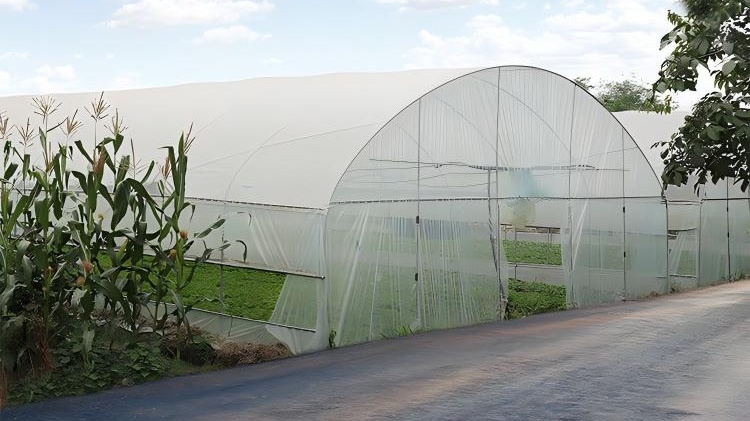
Market Applications and Quality Maintenance
The market offers numerous specialized products for different growing applications. Nursery films prioritize light transmission for young plant development. Fruit production films emphasize thermal properties for fruit ripening and coloration. Meanwhile, propagation houses use films with specific light spectrum manipulation. Working closely with suppliers helps identify the ideal product for your unique requirements. Quality assurance begins with verifying manufacturer certifications and warranty terms. Reputable suppliers provide documented test results for light transmission, thermal properties, and UV resistance. Also, they offer installation guidance and ongoing technical support for their products. Building a relationship with a trusted supplier creates a reliable supply chain and prevents costly mistakes. Regular maintenance extends the functional life of your greenhouse covering. Inspect the film monthly for developing tears, loose fasteners, and areas of excessive wear. Prompt repairs using specialized repair tape prevent small issues from becoming major failures. Additionally, cleaning the exterior twice annually removes dust and algae that block light. These simple practices maximize the return on your material investment. Greenhouse technology continues advancing with new material innovations each year. Photoselective films that manipulate specific light wavelengths represent the cutting edge. Some products now incorporate sensors that monitor structural integrity in real time. Meanwhile, biodegradable options address the growing demand for sustainable agricultural practices. Staying informed about these developments helps operations maintain competitive advantages.