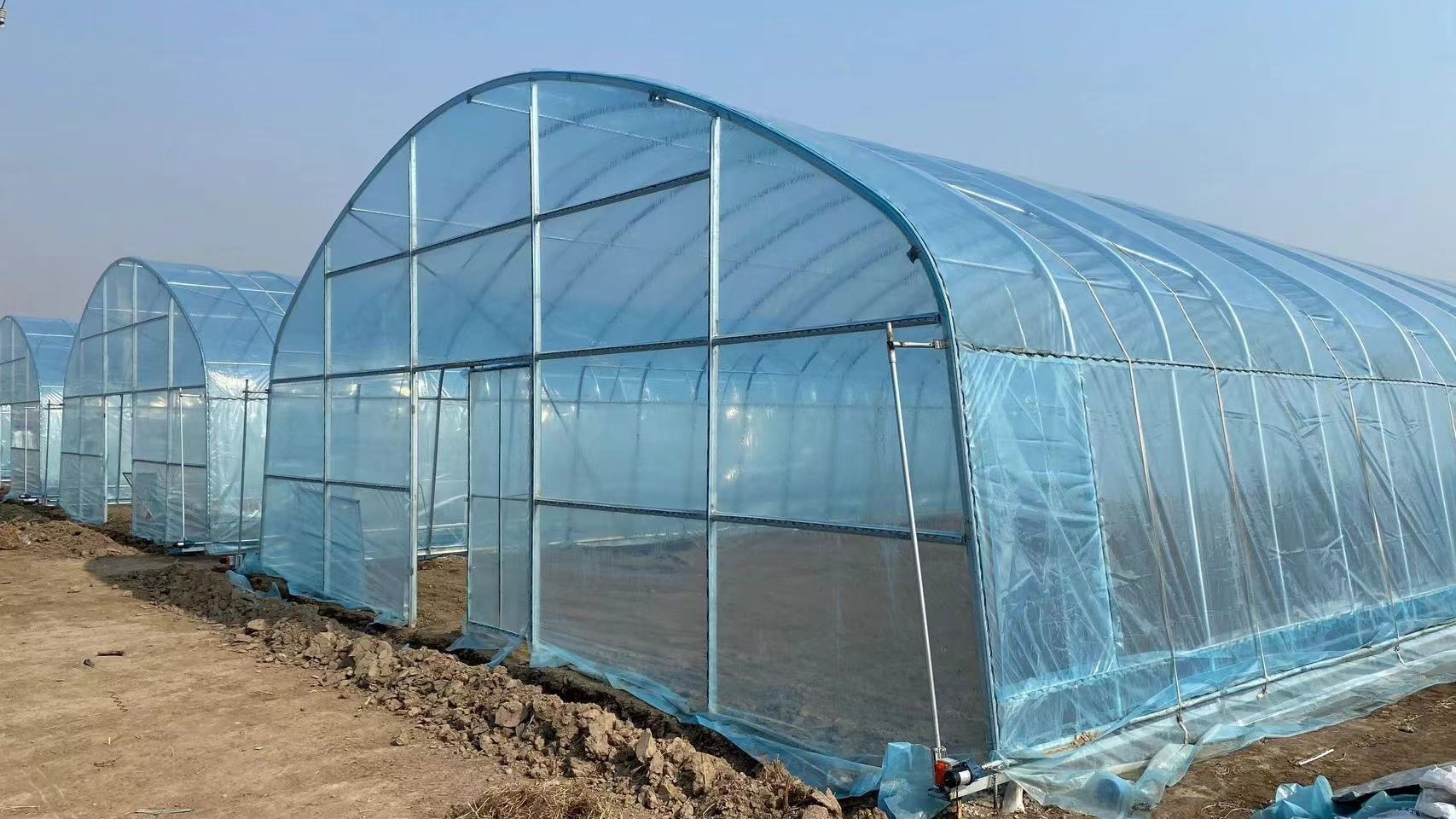
Choosing the Best Greenhouse Plastic for Your Growing Operation
Selecting the right covering is a critical decision for any commercial grower managing a production facility. The market offers many material options today, making it essential to know what plastic to use for greenhouse applications. This guide will help you find the best greenhouse plastic for your operational requirements across every growing season.
Understanding Greenhouse Plastic Material Types
To begin with, polyethylene film remains the most widely adopted greenhouse covering used in commercial agriculture around the world. This versatile material provides an excellent balance of affordability and natural light transmission for most crops. Furthermore, polyethylene comes in multiple grades and thicknesses that growers can match to their specific climate and crop requirements. In addition to standard polyethylene, polycarbonate panels offer a rigid alternative with superior insulation capabilities and impact resistance. Twin-wall polycarbonate creates an internal air gap that significantly improves thermal performance during temperature fluctuations throughout the day. However, these rigid panels typically demand a much higher upfront investment compared to traditional polyethylene film options. Meanwhile, copolymer films represent an emerging category that combines the properties of different plastic resins into one advanced product. These innovative materials often deliver enhanced mechanical strength and optical clarity compared to standard single-resin polyethylene films. As the agricultural coverings industry continues to evolve, copolymer options are steadily gaining traction among progressive commercial growing operations.
Key Features of High-Quality Greenhouse Coverings
First and foremost, light transmission serves as the single most important function of any greenhouse covering material in production agriculture. The best greenhouse plastic should allow optimal levels of photosynthetically active radiation to reach every plant inside the structure. Consequently, clear greenhouse film with high clarity ratings ensures your crops receive the consistent light they need for vigorous growth. Moreover, ultraviolet resistance represents a non-negotiable feature for any durable covering that is intended for long-term outdoor use. Quality greenhouse plastic incorporates specialized UV inhibitors that prevent the material from becoming brittle and yellowing under intense sun exposure. Therefore, investing in UV-stabilized film extends the service life of your covering while significantly reducing long-term replacement frequency and costs. Equally important, anti-condensation treatments prevent water droplets from forming and accumulating on the interior surface of the plastic film. This critical feature reduces the risk of fungal diseases that tend to thrive in humid greenhouse growing environments. Thus, properly treated films contribute directly to healthier crops and higher overall yields throughout the entire growing cycle.
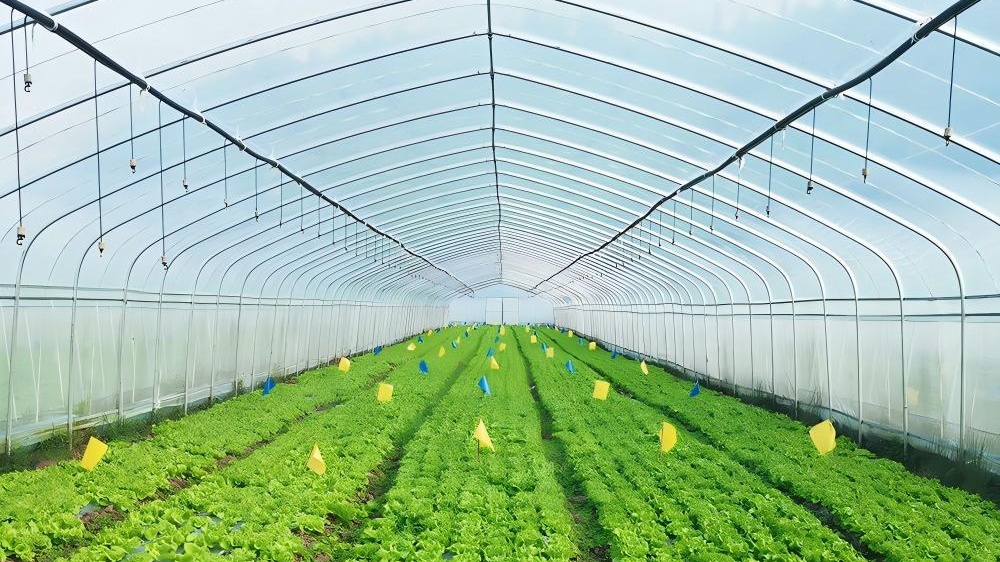
Selecting the Best Greenhouse Plastic for Winter
When seasonal temperatures begin to drop sharply, the best greenhouse plastic for winter must deliver exceptional thermal retention and heat conservation. Specifically, infrared-blocking additives that are incorporated into polyethylene film help trap valuable radiant heat inside the structure during cold nights. As a result, growers can maintain stable growing temperatures throughout the winter months while meaningfully reducing their supplemental heating costs. In the same vein, thicker films ranging from six to eight mils consistently provide far better cold-weather performance than standard four-mil sheeting. Additionally, double-layer inflation systems create an insulating air pocket between two layers of film that dramatically improves overall winter energy efficiency. For this reason, commercial operators based in colder regions should prioritize these enhanced materials for their winter crop production. Beyond material selection alone, proper installation techniques also play a vital role in maximizing the performance of your winter greenhouse covering system. Securing the film tightly and carefully sealing all edges prevents cold air infiltration that can compromise the entire growing environment. Indeed, even the best greenhouse plastic for winter will significantly underperform if it is installed with gaps or loose attachment points.
Making the Right Investment for Your Greenhouse
Ultimately, choosing the best greenhouse plastic involves carefully balancing your upfront material cost against long-term performance and durability expectations. A premium film that reliably lasts four full growing seasons often proves far more economical than a budget option requiring costly yearly replacement. Likewise, the right material choice consistently reduces overall labor costs and minimizes potential crop loss from unexpected covering failures. Consequently, consulting with experienced agricultural supply specialists can help you match the correct film specifications to your local climate and operational conditions. Taking adequate time to research what plastic to use for greenhouse applications ensures that your investment delivers reliable returns across every season. In the end, selecting quality covering materials protects both your valuable crops and your bottom line for many years to come.