Multi Span Film Greenhouse: A Complete Buying Guide
News Details
Multi Span Film Greenhouse: A Flexible Solution for Modern Commercial Farms
Commercial growers need greenhouse structures that provide sufficient growing space, support effective climate management, and keep construction costs under control. A multi span film greenhouse meets these needs by connecting multiple growing bays under one continuous plastic film covering. Its spacious interior, adaptable structure, and relatively affordable construction make it a practical option for large-scale vegetable, flower, and other crop production projects.
What Makes a Multi Span Film Greenhouse a Practical Choice?
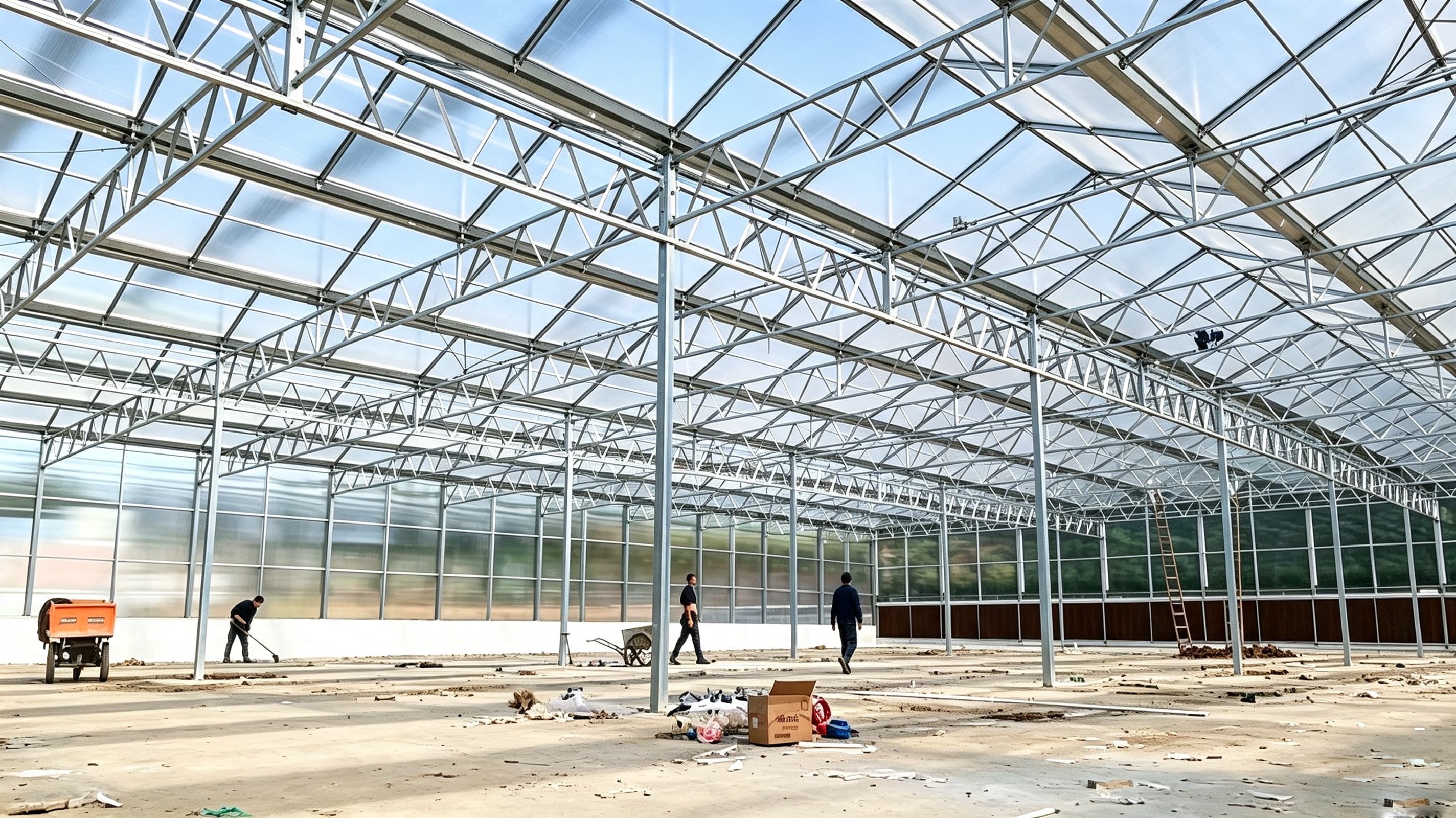
One of the main advantages of a multi span greenhouse is its connected steel frame structure. Multiple bays share an integrated layout, creating a large growing area with fewer internal divisions than separate single-span structures. Hot-dip galvanized steel is commonly used for columns, arches, and other structural components because its protective coating helps resist corrosion and supports long-term outdoor use. The open interior provides room for planting beds, irrigation lines, cultivation equipment, and harvesting operations. Depending on the greenhouse dimensions and layout, growers can also arrange access paths for carts, sprayers, and other farm machinery. The plastic film covering offers a cost-effective alternative to more expensive glazing materials and can be replaced when it reaches the end of its service life or requires upgrading. Ventilation and drainage are equally important to greenhouse performance. Roof vents, roll-up side curtains, and other ventilation systems help regulate temperature and humidity, depending on the local climate and greenhouse configuration. Properly designed roof slopes and gutters also direct rainwater away from the structure, helping reduce water accumulation and protecting key structural components.
Key Choices in Multi Span Greenhouse Design
A successful multi span greenhouse design should begin with local climate conditions and crop requirements. Span width, bay number, gutter height, roof shape, and overall dimensions all influence the growing environment and structural performance. Wind speed, snow loads, rainfall, and temperature variations must be considered during the design stage, especially for projects in regions with demanding weather conditions. Greenhouse height and ventilation layout also affect crop management. A higher structure can provide greater internal air volume, while properly positioned roof vents and side ventilation systems support air exchange. The right configuration depends on the crops being grown, seasonal temperature changes, and the level of environmental control required. Irrigation, heating, shading, and cooling systems should be planned together with the greenhouse structure. Drip irrigation can support efficient water delivery, while circulation fans and cooling systems may help manage temperature in warmer regions. For projects requiring year-round production, heating and insulation measures may also be necessary. Coordinating these systems early can reduce installation difficulties and avoid costly modifications later. The number of spans should match the farm's production plan and available land. Adding more bays increases the usable growing area, but it also affects structural requirements, ventilation planning, and overall project costs. A well-planned layout balances production capacity, equipment access, construction investment, and the possibility of future expansion.

Why Commercial Farms Value Multi Span Greenhouses
Cost efficiency is one reason multi span film greenhouses are widely considered for commercial farming projects. Compared with many glass greenhouse structures, film-covered systems generally require a lower initial investment. Their lightweight covering and relatively straightforward construction can make them suitable for farms that need substantial growing space while managing capital expenditure. The modular layout also offers flexibility for future development. Depending on the original structural design and site conditions, additional bays or growing sections may be incorporated into an expansion plan. This allows growers to increase production capacity in stages rather than investing in the entire planned area at once. Expansion should still be included in the initial engineering plan to ensure that the existing structure can accommodate future connections. Multi span greenhouses can support the cultivation of various crops, including leafy vegetables, tomatoes, cucumbers, strawberries, and cut flowers. The internal layout can be adapted to different planting systems, irrigation arrangements, and production schedules. With suitable ventilation and climate management equipment, growers can create conditions that support more consistent crop development throughout the growing season. Their adaptability is particularly useful for farms serving changing markets. Growers may adjust planting plans according to seasonal demand, crop prices, and local market opportunities. Although crop changes require appropriate adjustments to cultivation and environmental management, a flexible greenhouse layout can help businesses respond to different production requirements.
How to Choose a Reliable Multi Span Film Greenhouse Supplier
Selecting a suitable supplier requires more than comparing the initial quotation. Buyers should review the structural drawings, steel specifications, pipe dimensions, coating requirements, plastic film thickness, and available greenhouse accessories. A detailed bill of materials helps clarify what is included in the project and makes it easier to compare quotations from different manufacturers. The quality of the covering film and structural hardware also deserves attention. Check the film's thickness, UV protection specifications, expected service life under the intended climate, and compatibility with the greenhouse design. For the steel frame, ask about material specifications, galvanization quality, connection methods, and the structural calculations used for local wind and snow conditions. A supplier's project experience can provide further confidence. Request photographs, technical details, and references from completed greenhouse installations, particularly projects with similar dimensions or climate requirements. Buyers should also confirm whether the manufacturer provides installation guidance, replacement parts, technical documentation, and after-sales support. Before placing an order, clarify the delivery schedule, installation responsibilities, warranty terms, and any additional costs. If the project involves a large growing area or challenging weather conditions, professional structural design and installation support are especially important. Clear communication throughout the purchasing process helps reduce misunderstandings and keeps the project aligned with its technical and commercial requirements. A multi span film greenhouse offers commercial growers a flexible way to develop large-scale protected cultivation facilities. By combining an integrated steel structure, cost-effective film covering, and adaptable growing systems, it can support a wide range of agricultural operations. Careful planning and a reliable manufacturing partner are essential to building a greenhouse that meets local conditions and long-term production goals.