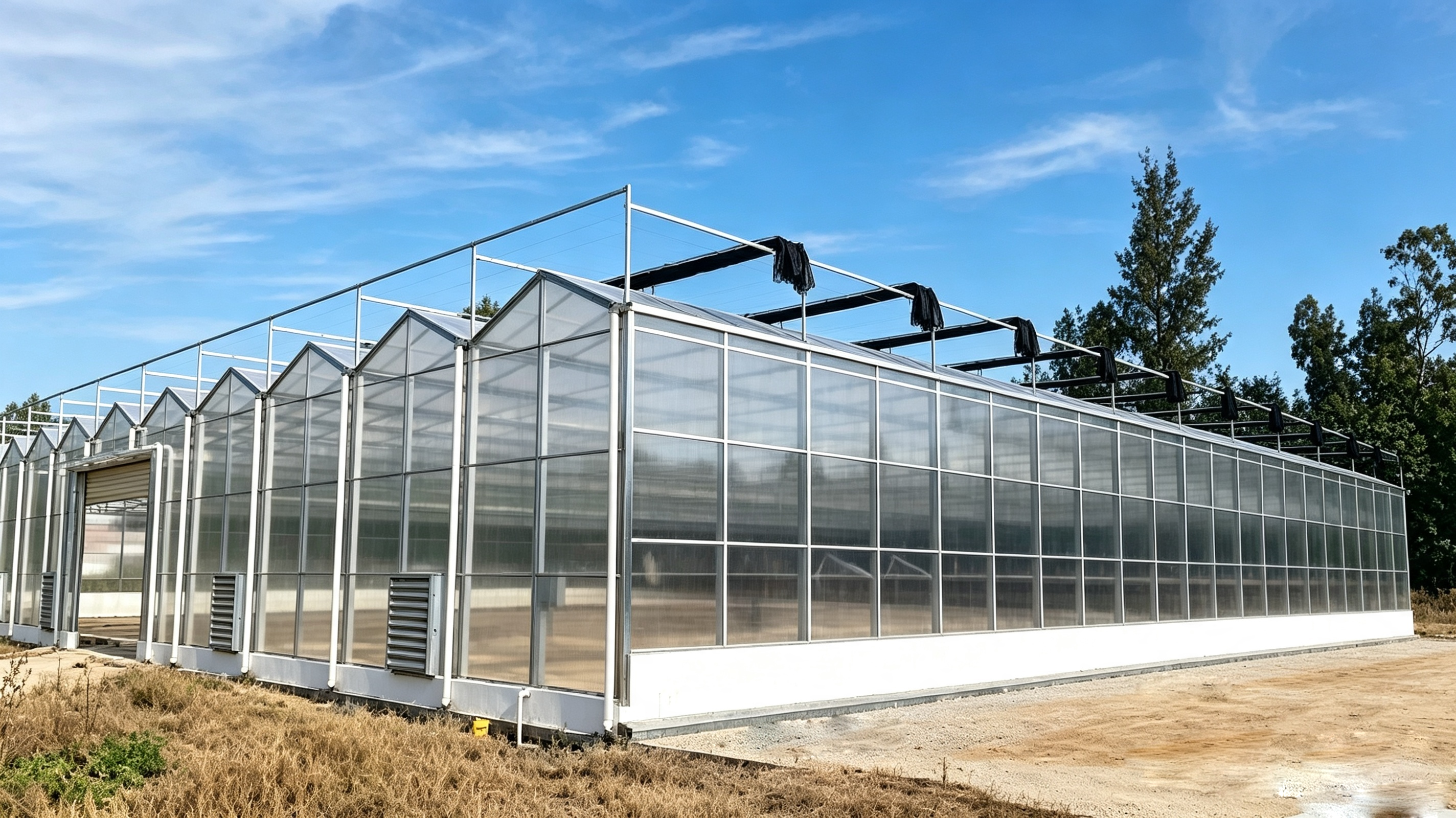
Metal Greenhouse Frame: Build a Strong Growing Space
News Details
The right frame protects your crops and your budget. It must carry heavy covers and strong winds, which is why smart buyers study the frame first. A metal greenhouse frame offers proven reliability and gives growers peace of mind for years.
Why the Frame Matters Most
Every greenhouse starts with one essential part: the frame. It holds the cover, the vents, and the plants inside, so a weak frame puts the whole structure at risk. Choosing a metal greenhouse frame is a smart first step. Metal offers strength that wood cannot match, resisting rot, pests, and harsh weather while keeping its shape for many seasons. Growers trust metal for long term results, and commercial farms frequently demand this material for their sites. The frame also decides how long your building lasts. Cheap materials often fail within a few years, whereas a solid structure stands for decades. Looking at the total life of the investment, the initial price is rarely the true cost. Frames shape your daily work as well. Tall arches give more room for plants, while wide bays allow machinery inside. Pick a design that fits your tasks, keeping your lighting and ventilation needs in mind.
Heavy Duty Options for Tough Conditions
Not all frames are built the same. Some locations face strong wind and heavy snow, making a heavy duty greenhouse frame the safer choice. It uses thicker steel and stronger joints so it can handle heavy pressure without bending. Heavy duty designs support heavier covers, allow automated systems inside, and reduce maintenance over time. Standard models may save money upfront, but replacement costs quickly erase those savings. Wind is a common enemy for growers, as a sudden gust can twist a light frame. Heavy duty greenhouse frame kits use cross bracing to spread the load evenly, keeping the cover tight in every season. Snow is another major threat when it piles up on the roof. A weak frame may buckle under the weight, which means a heavy duty greenhouse frame needs a steep pitch and galvanized steel to fight rust.
Smart Framing for Greenhouse Projects
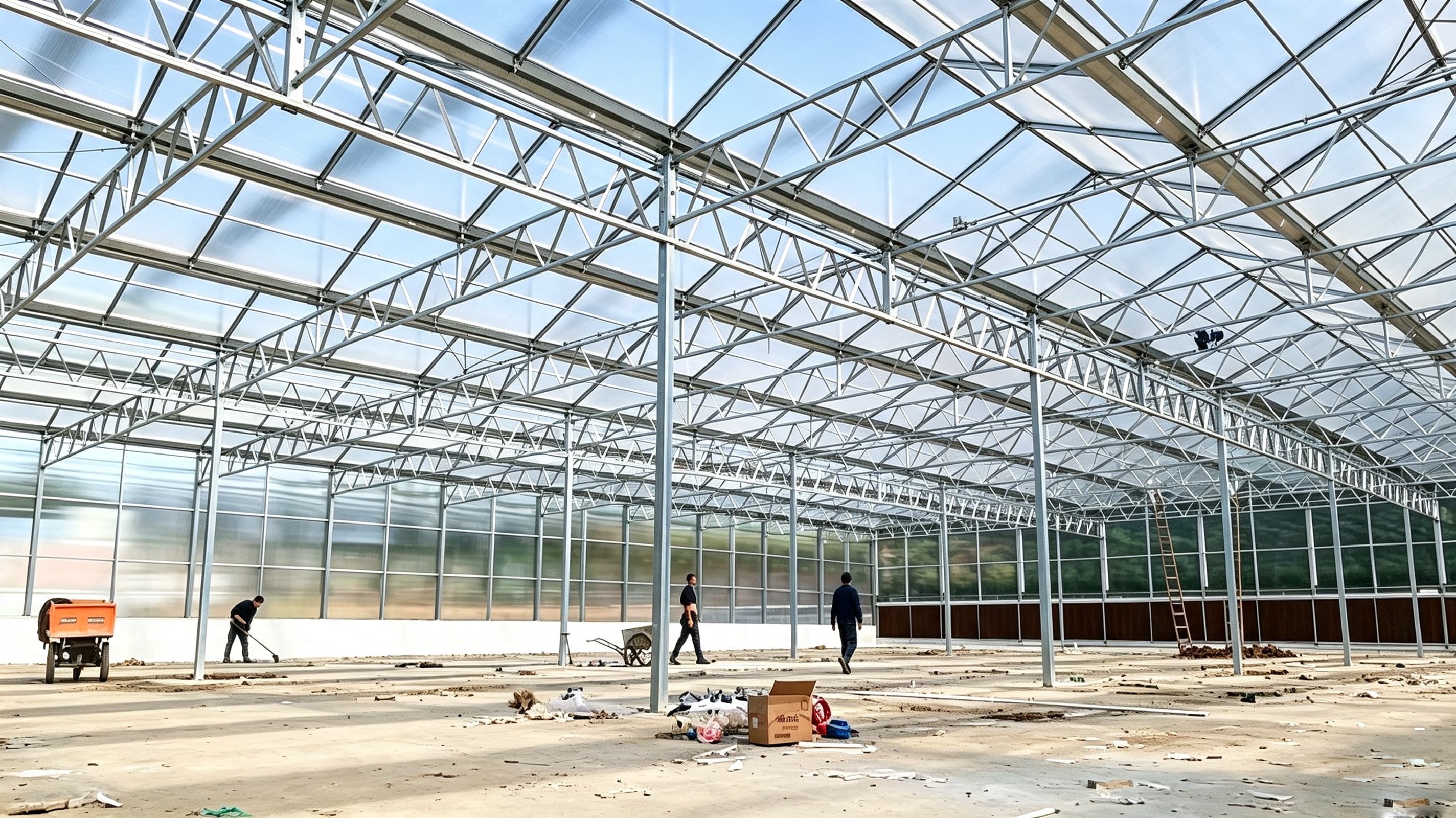
Good framing for greenhouse projects starts with thorough planning. Measure the site first, then choose the right span and height to match the frame to local weather. In snowy regions, for instance, structures require stronger roof slopes. Assembly quality matters just as much. Bolts must be tight and level so regular checks keep the structure safe. Proper framing for greenhouse layouts also improves airflow, leading to healthier plants and fewer diseases. The base functions as a key part of the frame system. A solid anchor stops shifting and sinking while protecting the structure during storms. Do not skip ground preparation, since standard posts require concrete footings in most soils. Accessories must match the frame as well. Doors, vents, and fans all attach to it, so choose components from the same supplier and confirm that every part fits the profile. This step saves valuable time during installation.
How to Choose the Right Green House Frame
A green house frame should match your crop and budget. Small hobbyists may prefer lighter steel, whereas commercial growers usually pick galvanized profiles. Check the warranty before buying, as a long warranty reflects manufacturer confidence. Think about future expansion as well. A modular metal greenhouse frame allows easy growth, and standard sizes make parts simple to find, helping you plan for tomorrow as you build today. The right choice pays off for decades. Compare a few suppliers before you decide by asking for material thickness and coating details. Request photos of real installations, since a good supplier gladly shares customer sites, allowing you to evaluate the product beyond simple pictures. Ask about the coating on every part. Galvanized steel resists rust and corrosion, while powder coating adds extra protection. Checking both layers before ordering and running standard quality checks prevents early failures. Finally, check delivery and support options. Big frames arrive in many pieces, making clear instructions vital. A responsive team solves problems fast, and standard suppliers with local stock are usually the safest bet.