How to Choose a Glass Greenhouse for Your Garden
News Details
A Glass Greenhouse Brings Year-Round Growing Power
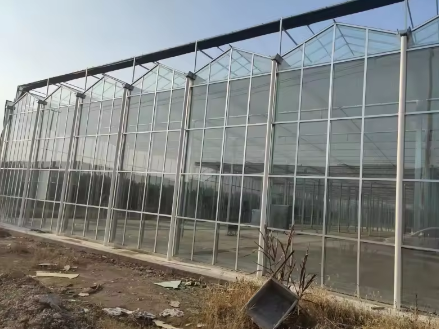
A high-performance glass greenhouse transforms any backyard or commercial plot into a productive year-round cultivation space, allowing growers to extend seasons and maintain optimal plant health regardless of external weather. Glass structures maximize light transmission far better than traditional plastic film or twin-wall sheet covers. Unfiltered sunlight accelerates photosynthesis, driving faster crop growth and healthier yield profiles. Operating a glass greenhouse requires active climate management. Regulating temperature, humidity, and ventilation daily ensures consistent crop performance and yields exceptional harvests.
Why Glass Beats Other Coverings
Glass provides unmatched optical clarity, transmitting nearly 90% of available PAR (Photosynthetically Active Radiation) light without yellowing, clouding, or degrading over time like poly films and multi-wall polycarbonate. Because glass panels carry high structural weight, they require heavy-duty aluminum or galvanized steel framing. Properly engineered framing prevents structural shifting under extreme wind and snow loads. Double-glazed glass panels deliver superior thermal insulation in cold climates, retaining daytime solar heat during freezing nights to protect sensitive crops without excessive heating costs. Tempered glass panels offer impact resistance against hail and high winds. In the event of extreme impact, tempered safety glass fractures into blunt granules rather than sharp, dangerous shards.
Custom Greenhouse Design Ideas That Work
Adapting a greenhouse to site topography, sun angles, and prevailing wind directions maximizes operational efficiency. Lean-to configurations utilize existing exterior walls to conserve footprint, whereas freestanding gables maximize total bench area. Tailored layouts optimize structural dimensions to eliminate awkward, unused corners in tight yards. Custom designs allow precise placement of sliding doors, high-volume roof vents, and automated side louvers to establish natural convective airflow. Incorporating integrated staging benches, hanging basket rails, and subterranean drainage paths ensures your custom layout supports efficient daily workflow and maximum crop density.

Choosing Reliable Greenhouse Builders
Selecting an experienced manufacturer ensures structural integrity and long-term performance. Leading residential greenhouse manufacturers offer flexible engineering modifications, custom frame height extensions, and specialized glass specifications tailored to local building codes. Established manufacturers support their installations with structural warranties and maintain stocked inventories of replacement gaskets, vents, and hardware for long-term maintenance. Verifying factory certifications, local contractor licenses, and past project portfolios guarantees quality execution. Reading authentic owner reviews and requesting itemized bids protects your investment during procurement.
Practical Steps to Start Today
Begin by measuring site dimensions, verifying local zoning set-backs, and selecting between attached or freestanding structural configurations. Establishing a complete budget upfront—including concrete footings, utility connections, and glass delivery—prevents unexpected costs. Request preliminary CAD drawings, material specifications, and itemized quotations from multiple certified manufacturers during early project planning. Proper site grading and foundation preparation ensure smooth structural assembly upon delivery. Scheduling construction during mild weather prevents installation delays and gives plants adequate time to establish in their new environment. Partnering with proven engineering specialists turns your glass greenhouse project into a long-term gardening success.