Agricultural Greenhouses: The Ultimate Guide for Modern Farmers
News Details
Greenhouses in Agriculture: Grow More with Smart Farming
Greenhouses in agriculture are changing the way modern food is produced around the world. They protect crops from harsh weather and sudden climate shifts. They also create stable environments for strong and healthy plant growth. Farmers can now plan harvests with much greater confidence every season. This complete guide covers the key benefits and smart buying decisions.
Why Greenhouses Matter in Agriculture
Weather has always been the biggest and most unpredictable risk in farming. Sudden frost, heavy hail, and heat waves can destroy crops that are not protected. A greenhouse gives growers reliable protection all year long. Temperature and humidity levels stay within safe ranges for plants. Crops get consistent care, steady water, and balanced nutrition every day. Protected crops grow faster and suffer far fewer losses overall. Growers can use fewer pesticides inside tightly sealed structures. This leads to cleaner produce and healthier long-term soil. Higher yields mean more stable income for family farms. Greenhouses in agriculture truly change how the entire business runs. Greenhouses also protect crops from strong wind and heavy rain. They keep out many common pests and flying insects. Pollination still works well when vents and screens are designed properly. Young seedlings grow strong inside a gentle, protected environment. Farmers gain peace of mind with reliable production systems.
Farmers Greenhouse Designs That Boost Yields
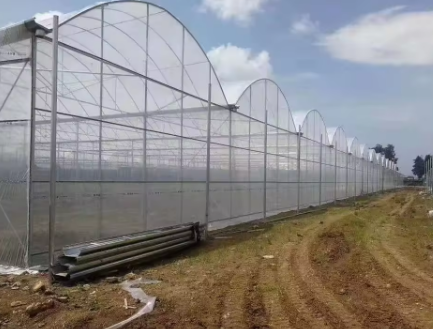
A good farmers greenhouse always starts with a solid galvanized steel frame. Quality steel resists rust, heavy snow, and strong wind loads. Cover films must let light through while blocking harmful UV rays. Proper ventilation systems stop dangerous overheating during summer. Every structural detail supports strong, fast, and vigorous crop growth. Single-span models are perfect for small family farms. Multi span greenhouses efficiently cover large commercial production areas. Tunnel houses offer a low-cost option for new growers. Glass houses suit high-value crops and professional nursery operations. Buyers should always match the design to local climate conditions. ">Consider the direction of sunlight when placing your greenhouse structure. East-west layouts capture the most light during short winter days. Gutter systems collect valuable rainwater for later irrigation. Double-layer covers provide extra insulation in cold regions. Professional suppliers can customize designs for special crop needs.

Greenhouse Farming for Year-Round Success
Greenhouse farming removes the natural limits of traditional growing seasons. Spring planting can start several weeks earlier than usual. Autumn harvests can now extend well into the cold winter months. Some growers even produce fresh greens continuously all year. A steady supply builds strong and lasting customer relationships. Heating systems protect crops during freezing nighttime temperature drops. Shade nets keep plants cool during intense summer heat waves. Modern irrigation delivers water directly to every root zone. Automated controls keep conditions stable while reducing manual labor. This approach maximizes returns across every growing season. Crop rotation inside greenhouses keeps soil healthy and highly productive. Growers can test new varieties without any weather risk. Hydroponic systems use far less water than traditional methods. Data sensors help growers make smarter and faster daily decisions. Year-round output creates reliable revenue streams for modern farms.
Agri Greenhouse Solutions for Smart Buyers
Smart buyers carefully compare agri greenhouse options before making purchases. Always check frame quality, cover lifespan, and warranty terms first. Ask suppliers about local installation and responsive technical support. Request references from existing greenhouse operators in your region. Thorough research prevents costly and avoidable mistakes later. Reliable agri greenhouse suppliers provide complete project management help. They handle design, shipping, and professional on-site assembly. They also train your workers on daily maintenance routines. Strong after-sales service protects your long-term business investment. Choose a partner who truly understands your local agriculture market. Compare total costs, including shipping and installation fees. Look for suppliers with proven export experience and a good reputation. Check delivery times before signing any purchase agreement. Ask about spare parts availability for long-term operation. A clear contract protects both buyer and supplier interests. Greenhouses in agriculture are a wise investment for progressive farms. They reduce risk and significantly increase the value of crops. Begin with clear goals and a realistic project budget. Consult experts and carefully compare multiple supplier options. Your farm can thrive and prosper in every season of the year.