Greenhouse Shade: The Complete Guide for Commercial Growers
News Details
Why Greenhouse Shade Is Essential
Greenhouses optimize light capture to accelerate crop development, but excessive solar radiation and localized heat build-up can scorch young foliage and compromise yields. High-performance shade protection regulates canopy temperatures, prevents leaf burn, and minimizes transpirational water loss during peak summer months. Heat-sensitive crops like tomatoes, peppers, and leafy greens show improved fruit set and tissue development under controlled shade. Beyond lowering ambient air temperatures, thermal shade barriers reduce root-zone heat stress and soil moisture loss, promoting vigorous root systems and uniform crop sizing. Implementing targeted microclimate management protects crop quality and improves operational margins. Shaded crops demand less frequent irrigation, reducing water consumption and pumping costs while consistently delivering high-grade produce that commands premium market prices.
Understanding Greenhouse Shading Systems
Commercial greenhouse shading systems manage photosynthetically active radiation (PAR) while maintaining essential airflow across the crop canopy. Balanced ventilation keeps microclimates cool, preventing humidity accumulation and fungal disease outbreaks. Growers can select between fixed exterior shade cloths or automated interior screen systems that extend and retract based on real-time light thresholds. Choosing between internal climate screens and external mesh depends on local weather patterns, structural load capacities, and crop light requirements. Commercial-grade systems feature high-tensile framing components, UV-stabilized fabrics, and heavy-duty drive mechanisms to withstand continuous operation. Inspecting material weight, UV degradation ratings, and tear resistance ensures long-term operational performance before finalizing procurement.
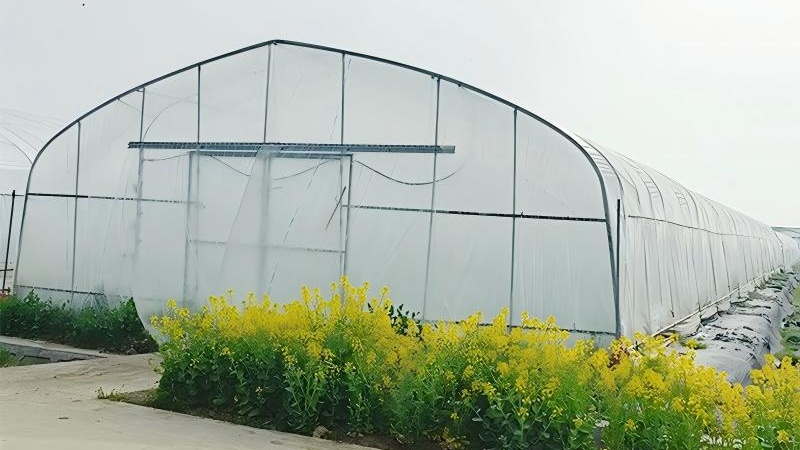
How to Choose the Right Shade Level
Selecting shade density requires aligning fabric light transmission values with specific crop photoperiods. Light-sensitive crops like leafy greens and floriculture thrive under 30% to 50% shade factors, whereas high-light crops like tomatoes and cucumbers require lower shade levels to prevent leggy growth. Regional solar radiation levels, greenhouse orientation, and frame height also dictate shade selection. Running localized trial sections helps determine the ideal balance between PAR light penetration and heat abatement before equipping an entire facility. Excessive shading reduces photosynthetic output and crop yields just as unmitigated heat causes heat stress. Monitoring canopy light levels and daily ambient temperatures with calibrated light meters provides data-driven feedback to adjust shade coverage as seasons transition.
Best Practices for Installation and Maintenance
Proper mechanical installation protects shade materials and structural integrity. Securing drive cables, support wires, and edge fasteners evenly across the roof spans prevents fabric sagging and wind flap damage during severe weather. Regular preventative maintenance maintains system efficiency throughout the growing season. Cleaning shade fabrics removes dust and algae build-up, restoring design airflow capacity and light transmission accuracy. Inspecting tension cables, drive shafts, and fabric edges after high-wind events prevents minor wear from expanding into costly structural failures. Maintaining an inventory of replacement clips, fasteners, and spare netting guarantees continuous crop protection.


