Greenhouse in Winter: A Practical Guide for Commercial Growers
News Details
Growing Through Winter: Maximizing Year-Round Crop Yields
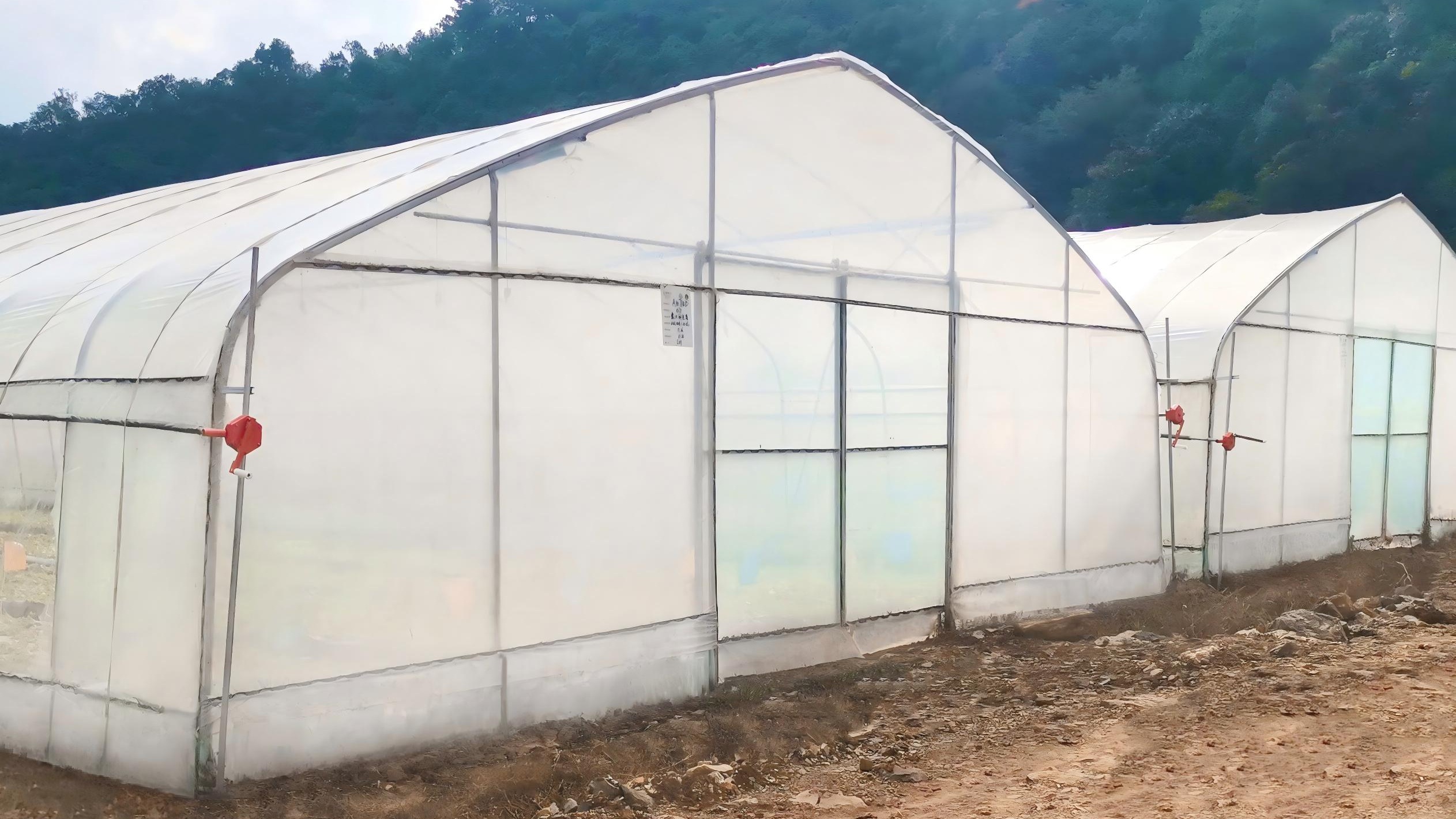
Freezing winter temperatures traditionally halt agricultural production, but commercial winter greenhouses alter that seasonal baseline. Protected structures shield crops from frost, snow loads, and prevailing winds while stabilizing internal microclimates during rapid external temperature swings. Maintaining optimal ambient conditions keeps plants healthy and productive while surrounding outdoor fields remain dormant, ensuring continuous supply throughout the harshest months of the year.
Why Commercial Growers Need a Winter Greenhouse
Traditional open-field farming relies on warm weather and long daylight hours, yet consumer demand for fresh produce remains constant year-round. Commercial winter greenhouses bridge this seasonal supply gap with predictable yield schedules. High-value leafy greens, microgreens, and fresh herbs command premium market prices during winter. Growers maintain higher profit margins while field-bound competitors wait for spring, securing long-term supply contracts with grocery chains and food service distributors. Continuous cultivation transforms a greenhouse from a seasonal shelter into an active profit engine. Year-round utilization eliminates off-season facility overhead, generating steady revenue from November through March and maximizing annual ROI.
Choosing the Best Outdoor Greenhouse for Winter
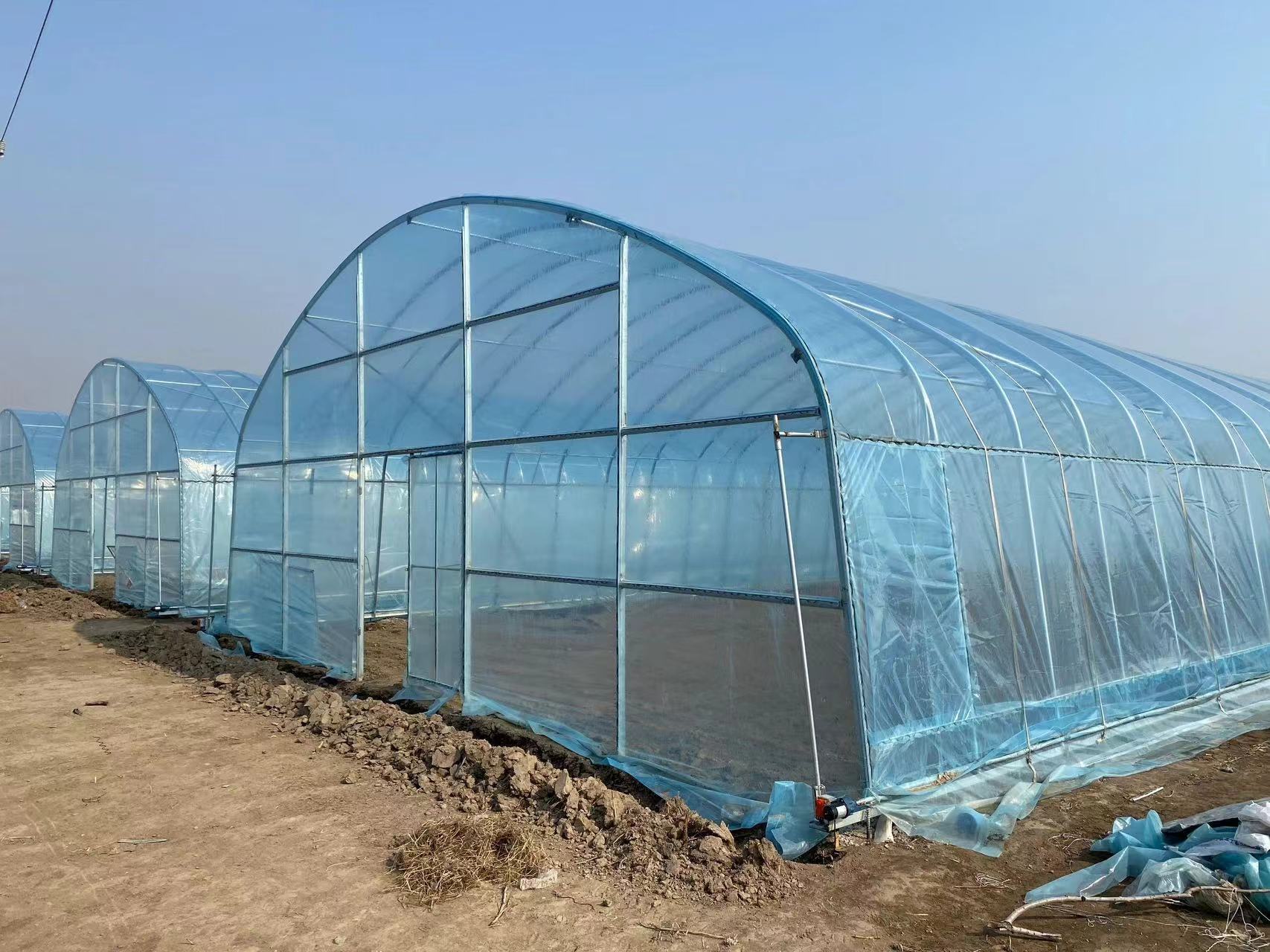
Surviving harsh sub-zero conditions requires engineered glazing and structural integrity.High-performance winter greenhouses utilize rigid twin-wall or triple-wall polycarbonate panels, providing superior insulation values ($R\text{-value}$) compared to single-layer poly films. Engineered foundation anchoring and heavy-gauge galvanized steel framing withstand severe wind shear and cumulative snow loads. Reinforced Gothic arch profiles shed snow effectively to protect structural integrity during winter storms. Choosing proper structural dimensions is equally critical. Selecting tall sidewall profiles improves total internal air volume, enhances natural light penetration, and accommodates thermal curtain systems. Partnering with certified manufacturers guarantees complete structural documentation, warranty coverage, and long-term spare parts availability.
Essential Features of a Cold Climate Greenhouse
A high-efficiency cold-climate greenhouse combines active heating systems with passive solar capture. Aligning the structure along an east-west axis maximizes southern solar exposure during low-angle winter days. Integrating thermal mass—such as insulated concrete foundations or water-filled thermal storage tanks—absorbs excess daytime heat and radiates it back into the canopy at night, reducing supplementary heating energy requirements. Humidity control remains essential during cold months. Unmanaged internal condensation accelerates fungal pathogens like Botrytis. Installing automated, sensor-driven roof vents and circulating fans maintains fresh air exchange without dumping critical heat reserves.
How to Run Your Winter Greenhouse Successfully
-
Manage Microclimates Daily: Monitor temperature and relative humidity continuously. Utilize internal row covers or thermal blankets for extra microclimate protection during severe cold snaps.
-
Optimize Irrigation Timing: Water crops strictly during early morning hours, allowing foliage to dry before evening temperatures drop. Wet canopies in high-humidity winter environments invite rapid mold and root rot development.
-
Track Energy Metrics & Operating Costs: Audit heating fuel consumption and supplemental lighting expenses against weekly crop yields. Monitoring input metrics allows operators to optimize climate setpoints and protect profit margins.
-
Log Performance Data: Document daily ambient weather, internal temperatures, and crop growth rates to refine climate management strategies for future winter production cycles.
Investing in a commercial cold-climate greenhouse gives growers total control over their production calendar, converting winter off-seasons into a durable competitive advantage.