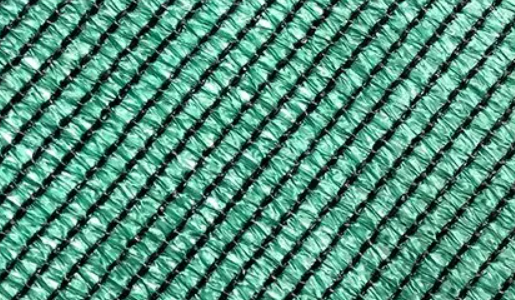
Understanding Plant Shade Netting and Its Applications
Plant shade netting plays a vital role in modern farming worldwide. It protects crops from excessive sunlight and heat stress effectively. Furthermore, it helps regulate temperature inside nurseries and growing spaces with precision. In fact, many commercial growers now see it as an essential investment. A quality shade net for plants reduces water evaporation during peak heat. In addition, it shields delicate crops from strong winds and hail damage. Farmers use these nets in greenhouses and open field setups. Plant shade netting adapts to diverse climates and crop varieties easily. Consequently, growers enjoy improved yields and consistently better crop quality. The material also helps control humidity levels inside growing areas. This creates a more stable microclimate for sensitive young seedlings. As a result, germination rates and transplant success improve significantly.
Choosing the Right Shade Net for Plants
Selecting the correct shade percentage is crucial for growers. Different crops need different light levels for optimal growth. Therefore, understanding your crop needs is essential before purchasing any materials. A shade net for plants comes in many density options. Common choices range from thirty to ninety percent shading capacity. Meanwhile, vegetable growers prefer moderate shade for leafy greens and tender herbs. Durability is another key factor worth careful evaluation. High-density polyethylene offers excellent UV resistance in harsh climates. As a result, premium shade nets last through several demanding growing seasons. Color also affects how light passes through the net. Darker nets absorb more warmth while lighter ones reflect it. Thus, growers must match net color to their local climate conditions. Weight and weave density influence installation and handling. Lighter nets are easier to deploy over large areas. However, heavier options provide better wind resistance in exposed locations.
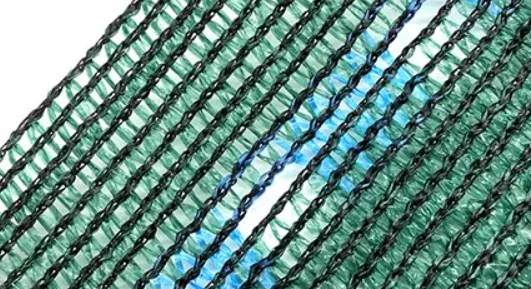
Key Product Varieties in the Market
Today, the market offers diverse shade netting for every need. Sun shade netting remains a popular and versatile choice worldwide. It provides reliable protection against direct solar radiation. Another widely used option is black shade net for farms. Black shade net absorbs heat and blocks high light levels. Moreover, it is cost-effective and easy to install on structures. Meanwhile, camo shade netting suits specialized agricultural needs well. Camo shade netting blends into natural surroundings without standing out. This makes it perfect for eco-sensitive and wildlife conservation areas. A sun shade net also serves outdoor applications very well. Sun shade net provides balanced light diffusion for many crops. Additionally, it maintains stable temperatures in open fields all season. Knitted shade nets offer superior tear resistance compared to woven types. They do not fray when cut to custom sizes. Therefore, they are ideal for irregularly shaped growing spaces.
Why Quality Matters for Commercial Growers
Commercial operations cannot afford unreliable shade materials at all. Inferior nets degrade quickly under harsh weather conditions. Thus, investing in premium products saves money long term. A reputable supplier ensures consistent quality with every shipment. They provide detailed specifications and performance guarantees for buyers. In turn, growers plan their operations with confidence each season. Bulk purchasing brings big cost advantages to large farms. Wholesale plant shade netting orders cut per-unit expenses substantially. Above all, reliable supply chains deliver on time for seasonal needs. Long-term partnerships with trusted manufacturers matter greatly. They ensure steady inventory and competitive pricing throughout the year. Consequently, growers maintain uninterrupted production without supply disruptions. After-sales support is another important consideration for buyers. Good suppliers offer installation guidance and warranty coverage. This additional service protects your investment over the product lifespan.