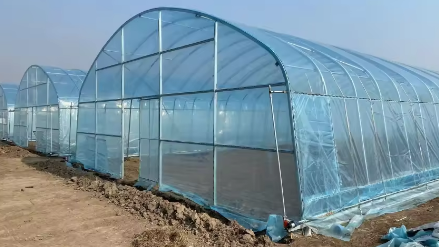
Why High Tunnel Greenhouses Make a Difference
Modern farming faces unpredictable weather every single season. Growers need reliable protection for their valuable crops. High tunnel greenhouse systems offer exactly this kind of security. They extend growing windows by several weeks each year. Also, they shield plants from frost, wind, and heavy rain. This simple structure transforms how small and mid-sized farms operate. Standard open-field farming carries constant risk. A single hailstorm can destroy months of hard work. But a high tunnel greenhouse creates a safe buffer zone. It controls temperature and humidity without expensive heating systems. Therefore, more commercial growers now adopt this practical solution. The return on investment often arrives within just two seasons.
Understanding High Tunnel Greenhouse Construction
High tunnel greenhouse construction follows clear engineering principles. Strong steel ribs form the primary structural skeleton. These arches must withstand local snow and wind loads. Ground posts anchor the frame deep into the soil. Also, purlins connect the ribs for extra stability. Every component must be properly tensioned during assembly. The polyethylene cover is a critical material choice. Six-mil greenhouse film works best for most climates. It diffuses light evenly across the plant canopy. Yet it blocks harmful infrared radiation from overheating crops. For example, infrared-blocking film keeps tunnels cooler in summer. This feature matters greatly in warmer growing regions. End wall construction requires special attention as well. Doors must seal tightly against drafts and pests. Some growers install simple wooden frames with poly covering. Others choose prefabricated metal end wall kits. But regardless of the approach, weatherproofing remains essential. High tunnels greenhouse designs always emphasize these finishing details. Site preparation should never be rushed or compromised. Level ground ensures even water distribution under the tunnel. Also, proper drainage prevents flooding during heavy storms. Run the tunnel north to south for balanced sunlight. Therefore, spend adequate time grading and marking your site. A well-prepared foundation extends the tunnel's lifespan significantly.
Choosing the Best High Tunnel Greenhouse
The best high tunnel greenhouse matches your specific farming goals. Crop height determines the required peak height of the structure. Taller tunnels accommodate trellised crops like indeterminate tomatoes. But compact models work perfectly for salad greens and herbs. Also, consider future crop rotation plans before finalizing dimensions. Flexibility now prevents costly limitations later. Frame gauge and material quality differ greatly between suppliers. Galvanized steel resists rust far better than untreated metal. Thicker gauge tubing handles heavier snow and ice accumulation. For instance, 14-gauge steel outperforms 16-gauge in harsh winters. Therefore, prioritize structural integrity over the lowest price tag. A collapsed tunnel destroys both the structure and the crop inside. Ventilation capacity separates good tunnels from great ones. Roll-up sidewalls provide the simplest and most effective airflow. They can be raised or lowered in just a few minutes. Ridge vents add extra heat release on scorching summer days. But even basic roll-up sides outperform fixed-wall designs. Most commercial growers rank ventilation as their top priority.
Navigating High Tunnel Greenhouses for Sale
High tunnel greenhouse for sale options have expanded rapidly. Dozens of reputable manufacturers now serve the commercial market. Yet quality and pricing vary dramatically across different brands. Compare at least three suppliers before making a decision. Also, request detailed specification sheets for each model. Never rely on marketing photos and sales claims alone. Imported tunnels often come with lower upfront price points. But local suppliers provide faster replacement parts and service. For example, a torn cover during peak season needs immediate attention. Waiting weeks for overseas shipping can destroy an entire crop cycle. Therefore, calculate the total cost of ownership over five years. Short-term savings may hide expensive long-term risks. Pre-built kits simplify the installation process considerably. These packages include all frame parts, hardware, and instructions. Most farmers can assemble a standard kit within two to three days. However, custom-built solutions offer more design flexibility. The best high tunnel greenhouse for your needs might be either option. Evaluate your budget, timeline, and technical comfort level honestly.
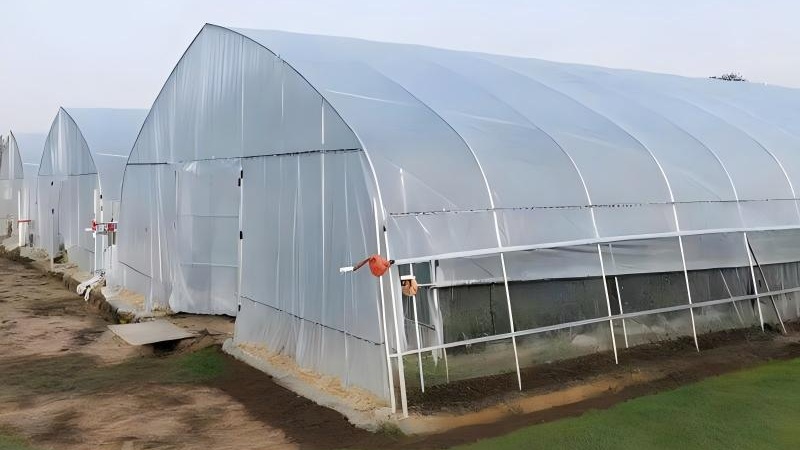
Long-Term Value of High Tunnels Greenhouse Systems
High tunnels greenhouse investments deliver compounding benefits over time. Extended seasons translate directly into increased annual revenue. Early spring crops command premium prices at farmers markets. Similarly, late fall harvests fill the gap when competitors have nothing. These market windows create reliable competitive advantages for growers. Maintenance requirements stay modest with proper initial construction. Inspect the plastic cover for tears at least twice yearly. Tighten all bolts and check ground posts after severe storms. Also, replace worn-out cover film every four to five years. This routine care keeps your tunnel productive for over a decade. Such longevity makes the upfront cost extremely worthwhile.