Greenhouse Shade Netting: The Complete Guide for Commercial Growers
News Details
Understanding Greenhouse Shade Netting
Greenhouse shade netting protects crops from harsh sunlight effectively. It also regulates internal temperature throughout the day. Therefore, growers can maintain ideal growing conditions year-round. Standard shade nets come in various densities and material grades. For instance, different crops need different shading percentages. Also, the quality of netting directly affects plant health. But many new growers overlook this critical component. They focus on the greenhouse frame structure instead. However, without proper shade netting, crops suffer heat stress. A green house shade net serves as the first defense line. It blocks excessive solar radiation before it enters. Consequently, plants avoid sunburn and wilting during peak hours. Also, shade netting helps maintain consistent humidity levels inside. Evaporation rates drop significantly under proper coverage. Therefore, you reduce water consumption across the growing cycle.
Choosing the Right Agro Shade Net Manufacturer
Finding a reliable agro shade net manufacturer takes careful research. You must evaluate product quality and manufacturing consistency first. For example, check material certifications and independent durability tests. Also, consider the manufacturer's industry experience and reputation. Established suppliers understand diverse regional climate needs better. Therefore, they can recommend the right specifications for your operation. But price alone should never drive your purchasing decision. Cheap netting often degrades quickly under UV exposure. Instead, look for a balanced combination of quality and value. A professional agro shade net manufacturer offers customization options too. You can specify exact dimensions and shading percentages needed. Also, bulk orders often receive better pricing and faster shipping. Standard greenhouse shade net products from reputable sources last longer. Premium HDPE materials resist tearing and UV damage well. For example, top-grade nets perform reliably for five years. But always verify the warranty terms before committing. Some manufacturers offer extended coverage on their products. However, others limit liability to initial defects only.
Benefits of Plant Shade Net in Crop Management
Plant shade net delivers multiple advantages for commercial growing operations. It significantly reduces water evaporation from soil surfaces. Consequently, you save substantially on irrigation costs each season. Shade netting also provides excellent protection against pests. Birds and larger insects cannot penetrate the mesh. This natural barrier reduces dependence on chemical pesticides dramatically. Also, netting minimizes physical damage from wind and hail. Greenhouse structures with netting survive storms better. Therefore, your long term maintenance costs decrease noticeably over time. Standard greenhouse shade net products improve overall crop quality remarkably. Leafy vegetables grow more tender under partial shade conditions. For example, lettuce and spinach show better commercial texture. But the benefits extend well beyond simple crop protection. Workers also enjoy cooler and more comfortable conditions inside. Therefore, labor productivity increases during hot summer months. Plant shade net creates a controlled and stable microclimate within. Temperature fluctuations become far less extreme on daily basis. Also, humidity levels remain more consistent for sensitive crops. Flowering plants also respond positively to controlled shading. Many ornamental species produce more blooms under partial cover. For instance, roses and chrysanthemums show improved commercial yields. Additionally, nurseries use plant shade net for seedling development. Young plants need gentle light for proper establishment. Therefore, shade netting helps reduce transplant shock rates.
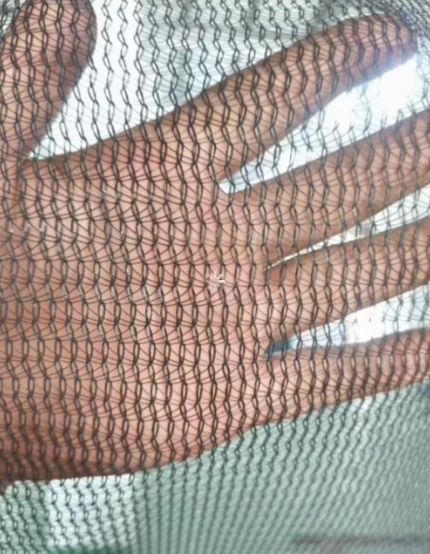
Future Trends in Netting for Shade Applications
The netting for shade industry continues to evolve very rapidly. New materials now offer superior UV resistance and durability. For example, advanced polymer blends reliably last over five years. Also, smart netting technologies are emerging across global markets. These innovative products adjust shading based on sunlight intensity. Therefore, growers can automate climate control more precisely than before. But innovation does not stop at material science improvements. Manufacturers now integrate environmental sensors into shade systems. However, these advanced solutions still need broader commercial validation. Standard netting for shade applications now extends beyond farming. Construction sites increasingly use shade nets for worker protection. Also, livestock farmers adopt netting for animal comfort. The automotive industry uses specialized shade netting for testing. Sports facilities install nets for spectator and player comfort. Therefore, the market opportunities continue expanding in diverse directions. But the agricultural sector remains the dominant application area. Food security concerns drive investment in protected cultivation globally. Also, climate change makes shade netting more essential every year. The global demand for greenhouse shade netting keeps rising steadily. More countries invest heavily in protected agriculture annually. Therefore, now is the ideal time to upgrade your setup. Partner with a trusted agro shade netmanufacturer today. Your crops truly deserve the best protection available commercially. And your business will see measurable and lasting returns.


