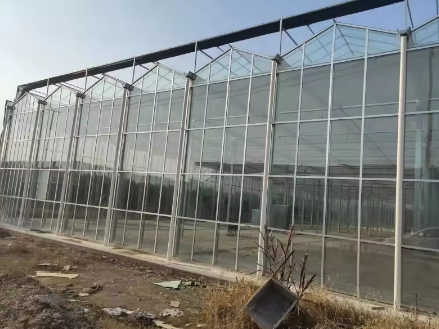
Glass greenhousesgive growers unmatched control. They offer clarity and long life. Many farms now invest in these structures. But what makes one the best glass greenhouse? Let us explore the key factors.
Why Glass Greenhouses Lead the Market
Glass is a premium glazing material. It lets in the most natural light. This boosts plant growth and crop yield. Also, glass resists wear better than plastic. It does not yellow over time. Therefore, a glass greenhouse becomes a long-term asset. Many commercial growers prefer this durability. Standard glass panels also offer better insulation. They trap heat effectively during cold months. Combined with modern framing, energy costs drop. For this reason, top-tier farms choose glass. It supports year-round production cycles. Furthermore, glass structures look professional and clean. Investors and buyers notice this quality instantly.
Key Features of the Best Glass Greenhouse
What defines a top-quality glass greenhouse? First, the frame must be strong. Galvanized steel is the industry standard. It resists rust and handles heavy glass panels. Next, the glass type matters a great deal. Tempered or laminated glass adds safety. It also improves thermal performance significantly. Ventilation is another critical feature. Roof vents and side vents must work well. Good airflow prevents mold and plant disease. Also, a custom glass greenhouse design can match your exact needs. Many manufacturers offer tailored solutions now. For example, you can adjust the height or bay width. This flexibility helps you maximize growing space. Drainage and foundation work matter too. Water buildup can damage structures over time. Proper grading keeps your foundation dry. In addition, automated climate control systems add value. They regulate temperature and humidity precisely. These systems reduce manual labor and human error.
Why Custom Design Matters
Every farm has unique requirements. Weather, crop type, and layout all vary.A custom glass greenhouse fits these specific conditions. It uses space more efficiently than standard models. This leads to higher productivity per square meter. Also, customization helps with future expansion plans. You can start small and scale up later. An industrial glass greenhouse demands even more precision. Large-scale operations need automated systems. Shade screens, heating, and irrigation must integrate smoothly. Custom design ensures these systems work together. As a result, labor costs decrease over time. Your return on investment improves steadily. Smart growers treat this as a strategic move. The design phase also considers local climate. Wind loads and snow loads differ by region. A professional glass greenhouse design accounts for these factors. Structural engineers calculate the optimal frame spacing. They select the right glass thickness and type. This engineering work prevents costly failures later.
Selecting a Reliable Glass Greenhouse Manufacturer
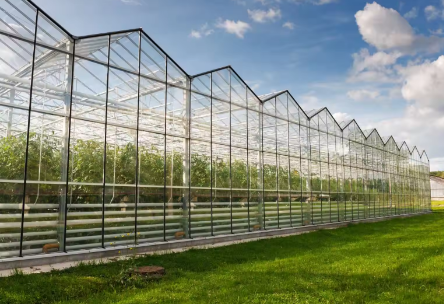
Your manufacturer choice shapes the entire project. Look for proven experience in glass structures. Check their past commercial projects carefully. A skilled glass greenhouse manufacturer provides full support. They guide you from design to installation. This partnership approach reduces risks significantly. Also, ask about after-sales service and warranty. Quality manufacturers stand behind their products. They offer spare parts and technical advice. For agriculture, the best glass greenhouse for agriculture must meet strict standards. It should handle wind, snow, and temperature extremes. Therefore, verify engineering certifications before buying. Do not skip this due diligence step. Visit the manufacturer's existing projects if possible. Talk to their past clients about their experience. Ask about delivery timelines and installation quality. Communication during the project matters a lot. A responsive team solves problems quickly. Delays can cost you an entire growing season.
Long-Term Value and Maintenance
Glass greenhouses need regular but simple care. Clean the panels once or twice a year. Check seals and gaskets for any wear. These small steps extend the structure's life. Also, inspect the frame for rust or damage. Early detection prevents costly repairs later. Preventive maintenance always beats emergency fixes. The initial investment may seem high. But consider the 20-year lifespan of glass. Plastic covers need replacement every few years. Over time, glass proves more economical. Furthermore, crop quality often improves under glass. Buyers pay premiums for consistent, high-grade produce. This boosts your bottom line directly. Energy efficiency adds to the long-term savings. Modern glass coatings reduce heat loss. Some panels even diffuse light for even coverage. Your heating costs drop noticeably each winter. Cooling costs also decline in summer months. The savings accumulate year after year.